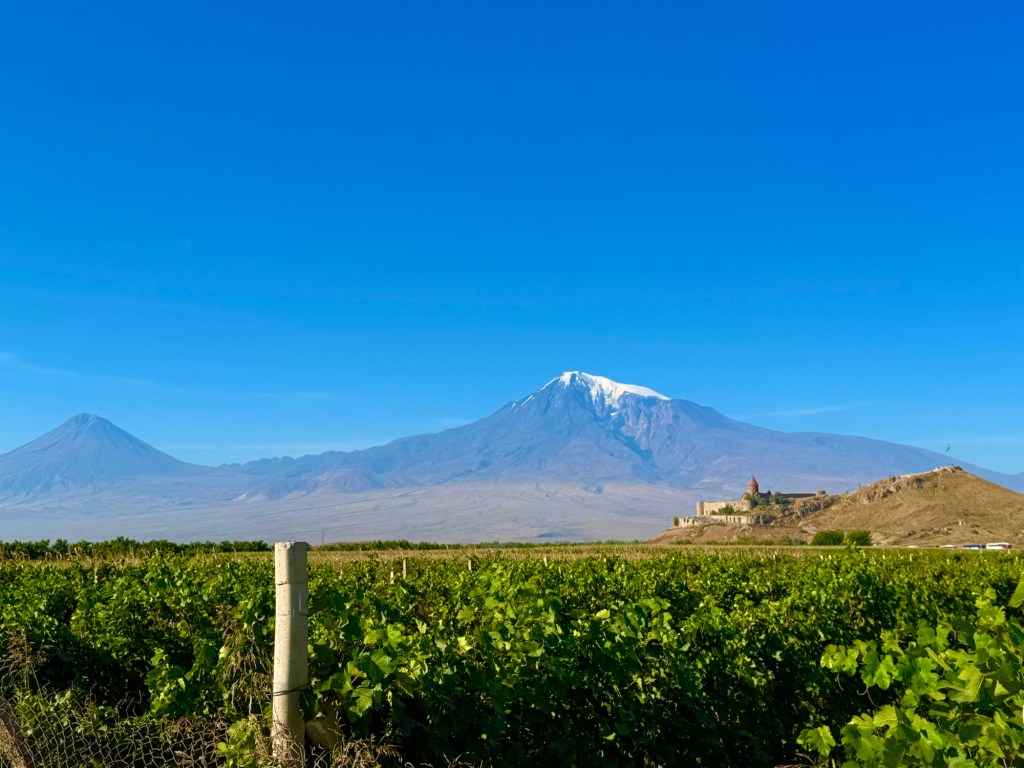
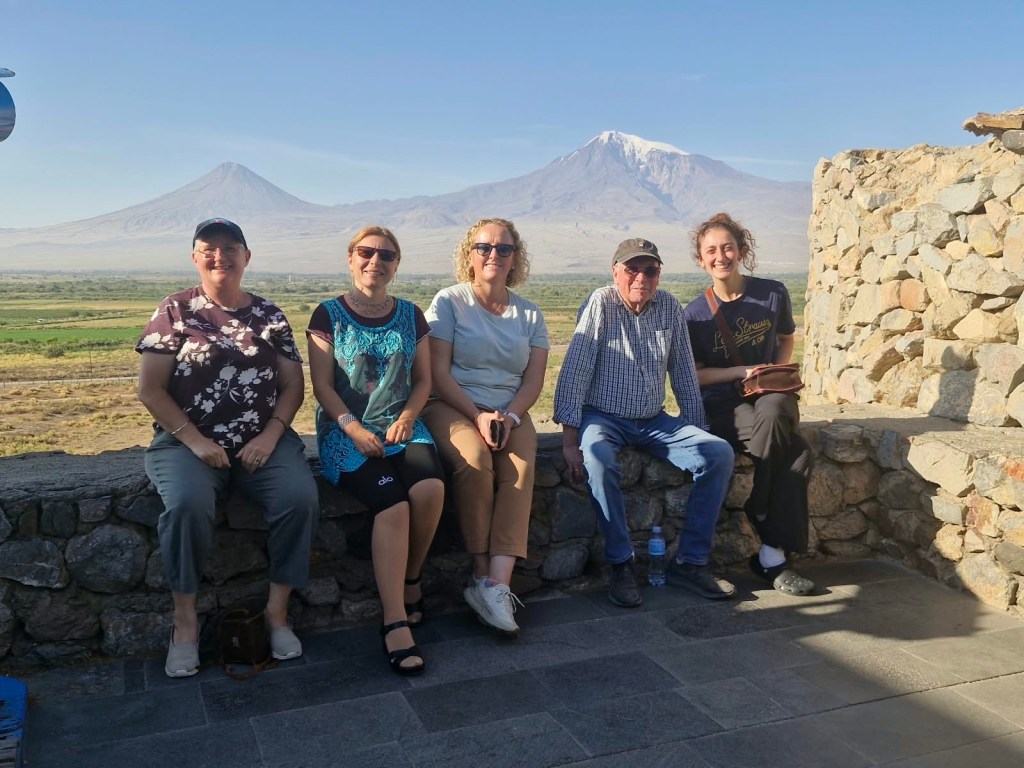
As we headed out of Yerevan, we got our best look at Mount Ararat. As I mentioned up until 1921 Ararat, plus a significant amount of land on its eastern side was part of Armenia. So the mountain itself is hugely connected to the people of Armenia. The Ararat Valley is still part of the county and is the fruit/veg bowl for the nation.
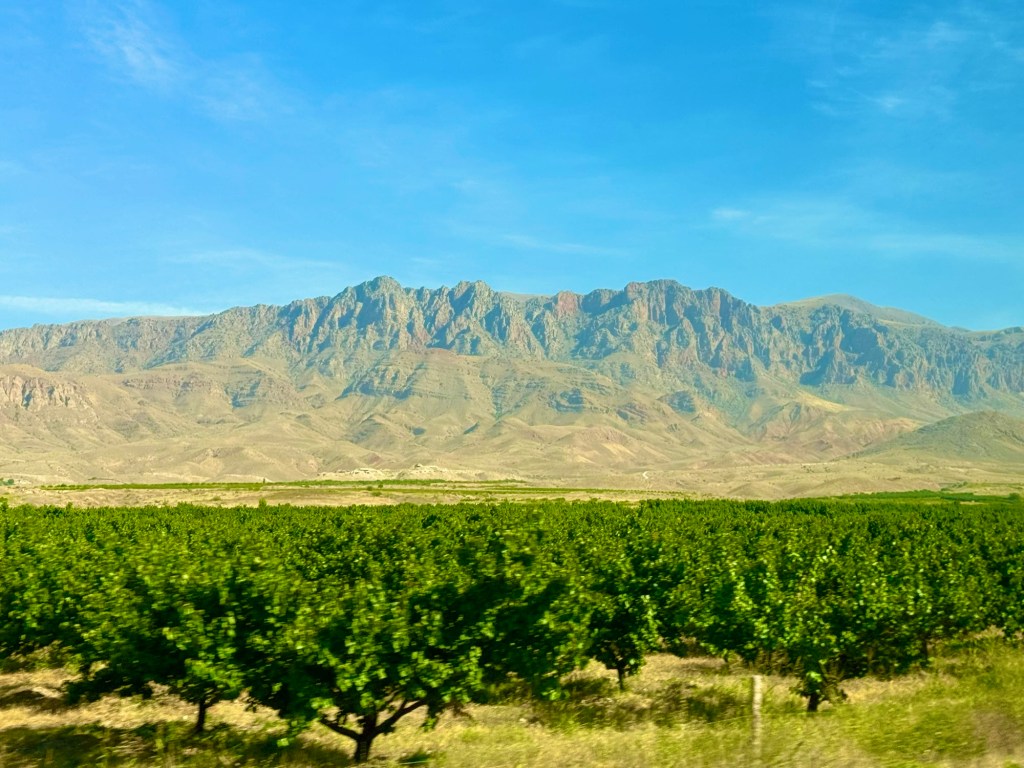
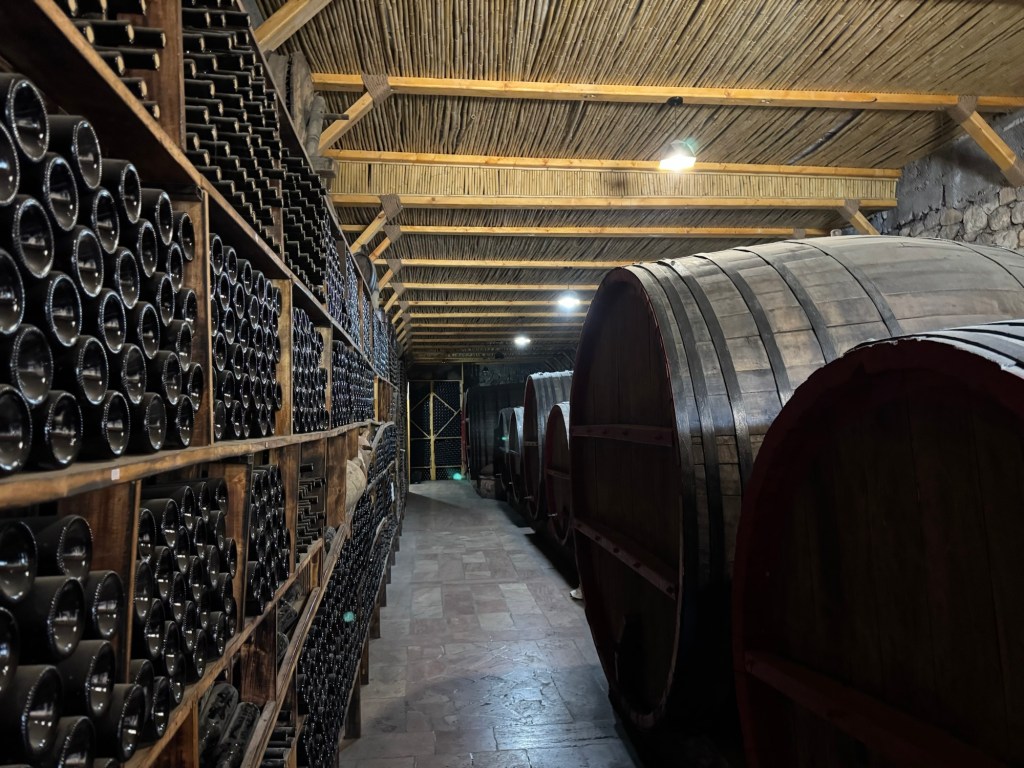
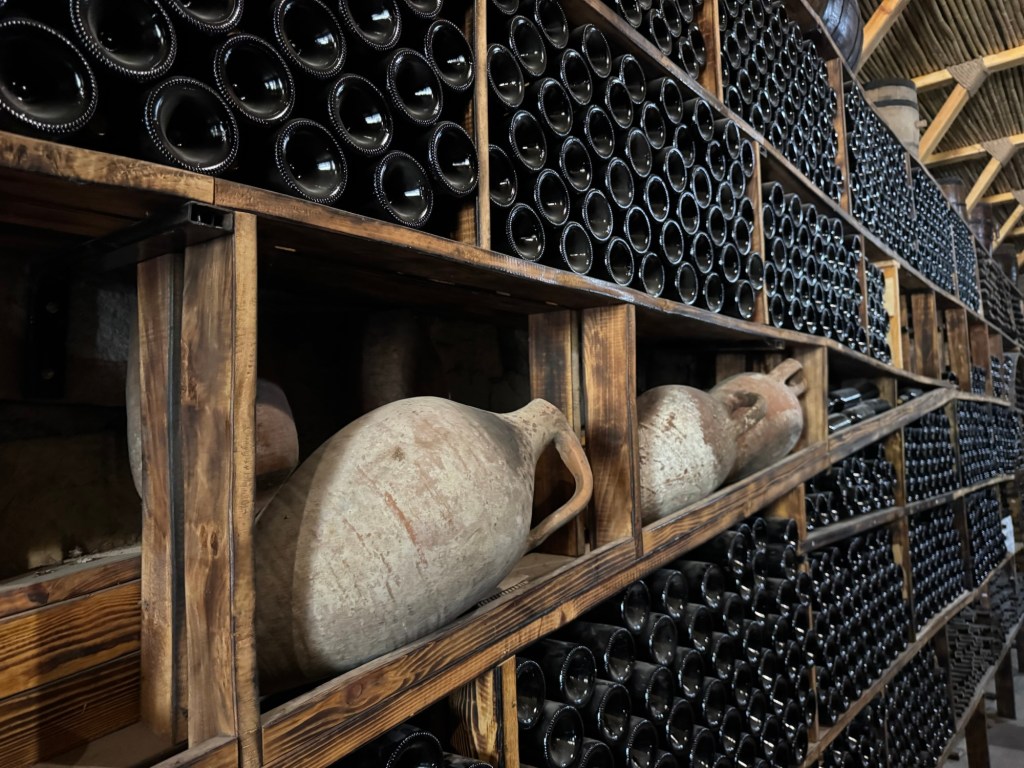
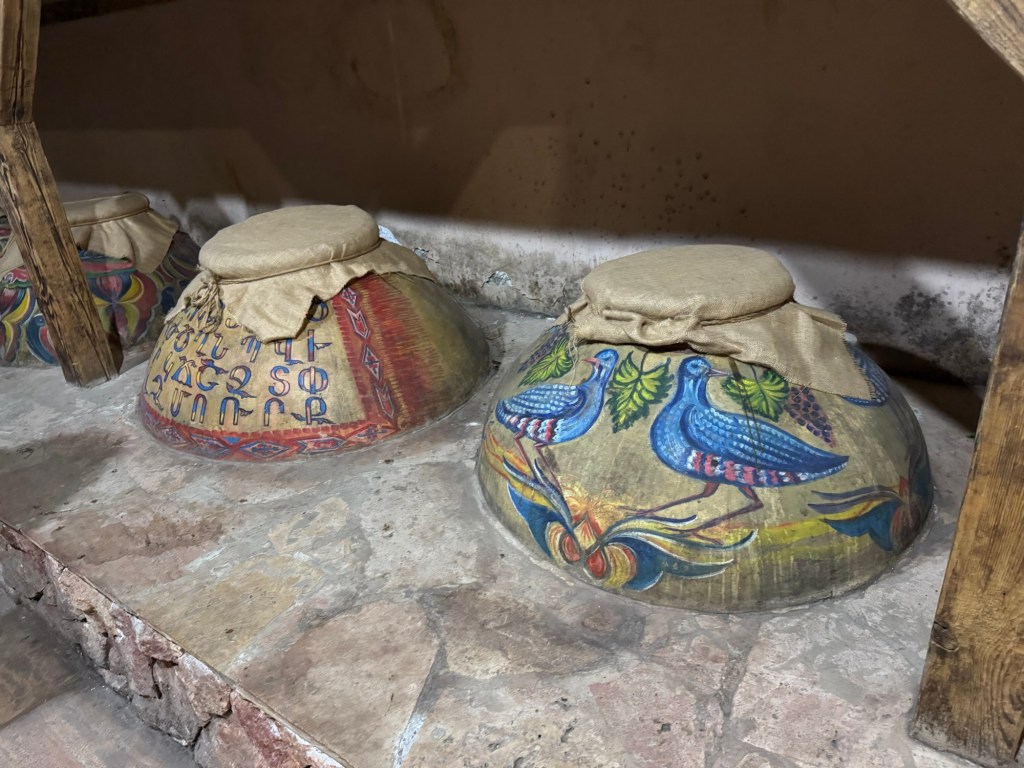
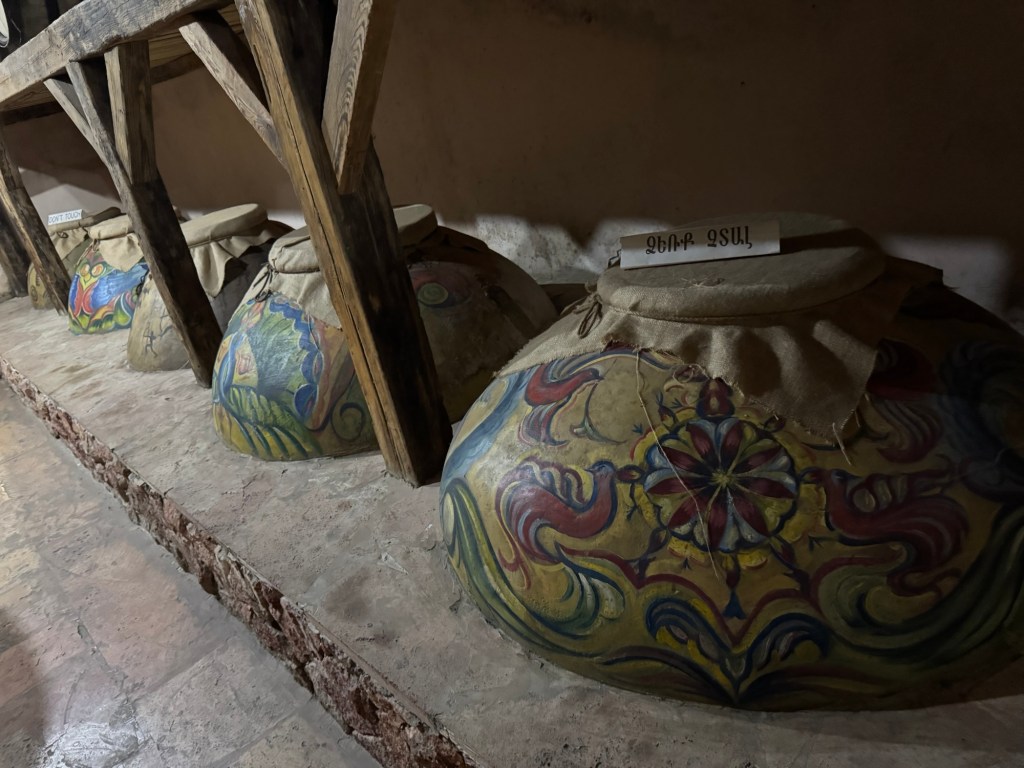
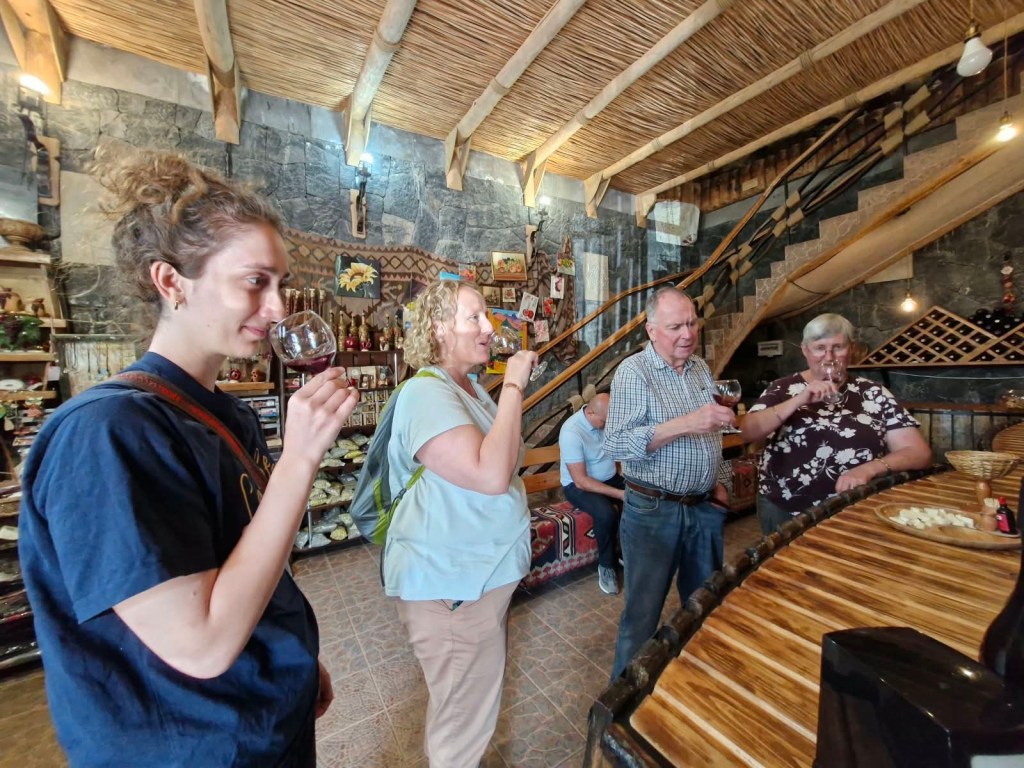
Our next stop was wine tasting (of course!), the famous variety of the Ararat Valley is the Areni grape and it is the oldest grape variety in Armenia. The variety itself is over 6,000 years old and seeds of the variety were found in a cave that dated back to the oldest known winery, 4,000 BC. Because Armenia avoided the phylloxera louse epidemic, many old Areni vines still grow on their original rootstocks.
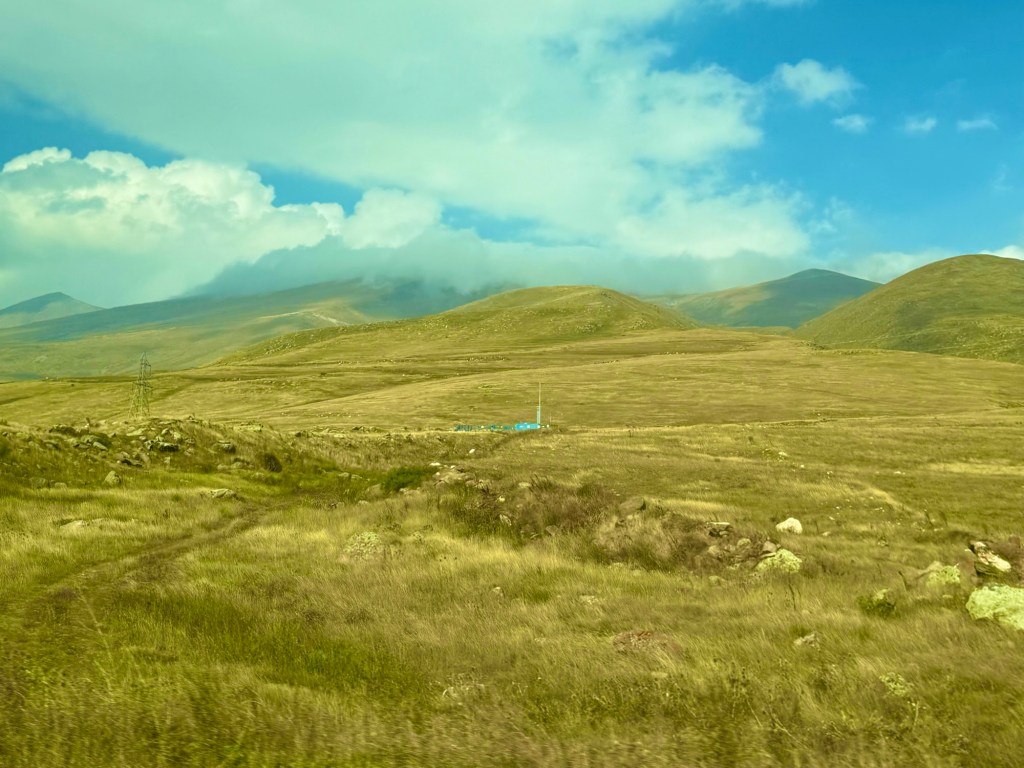
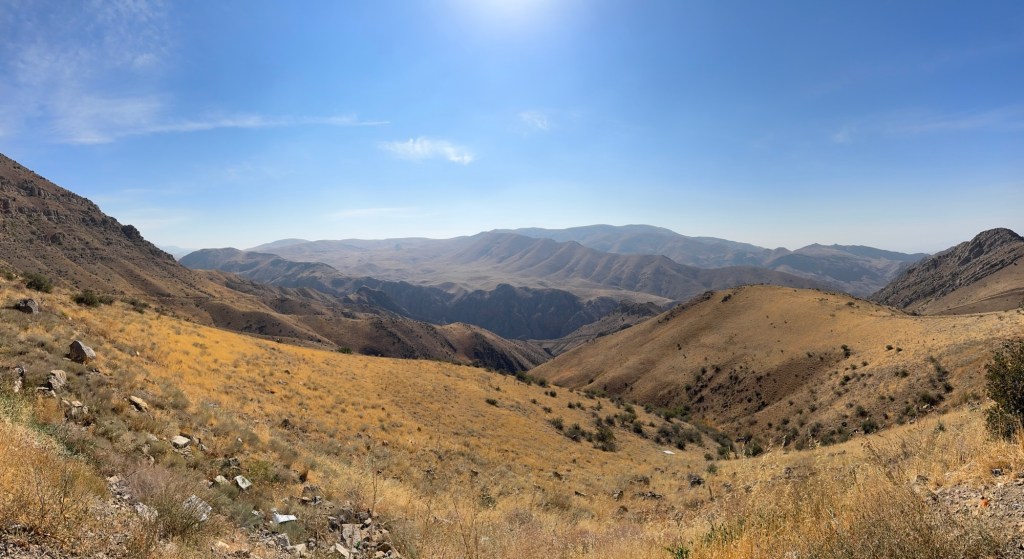
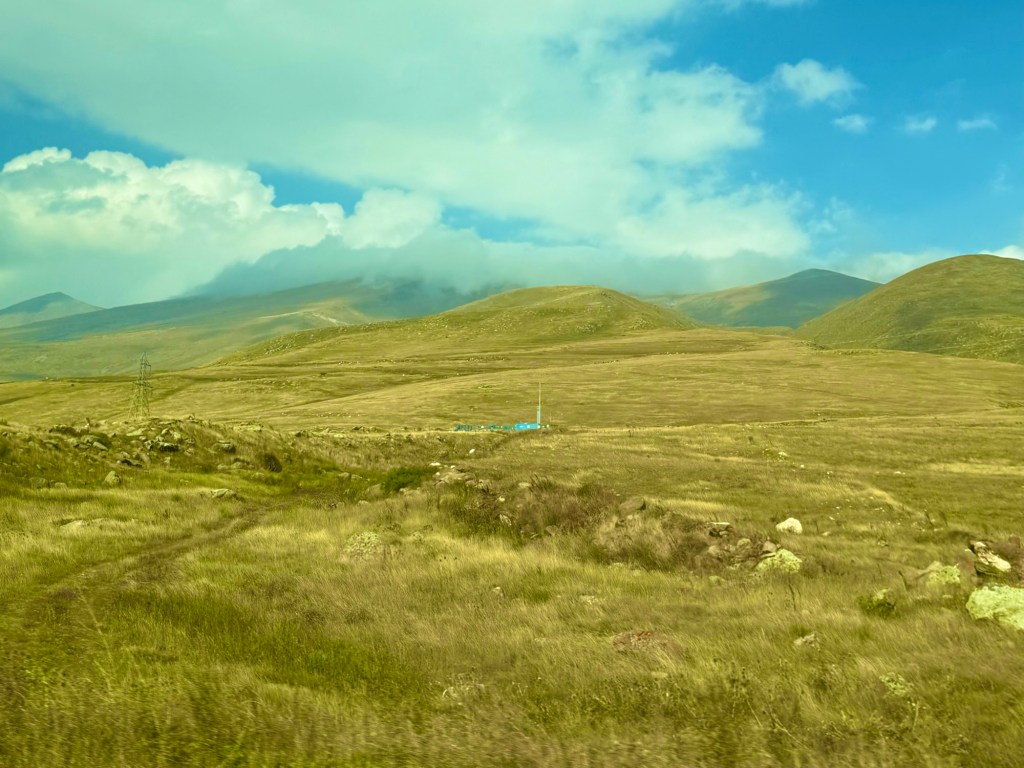
As we headed south and climbed out of the Ararat Valley the landscape began to significantly change!
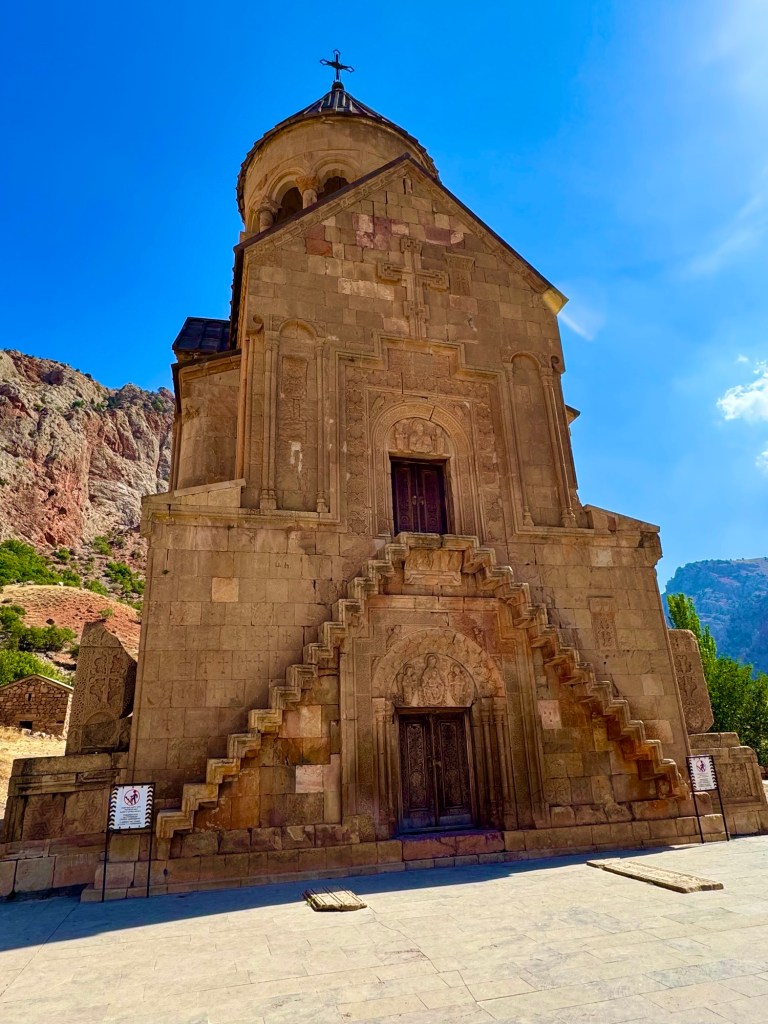
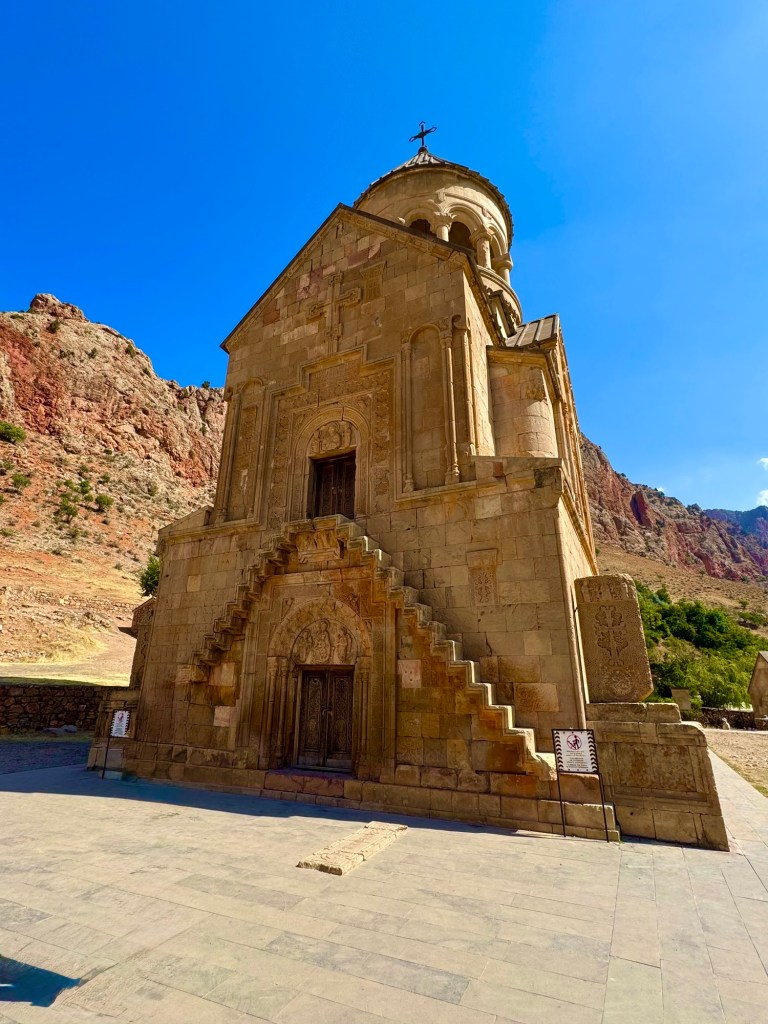
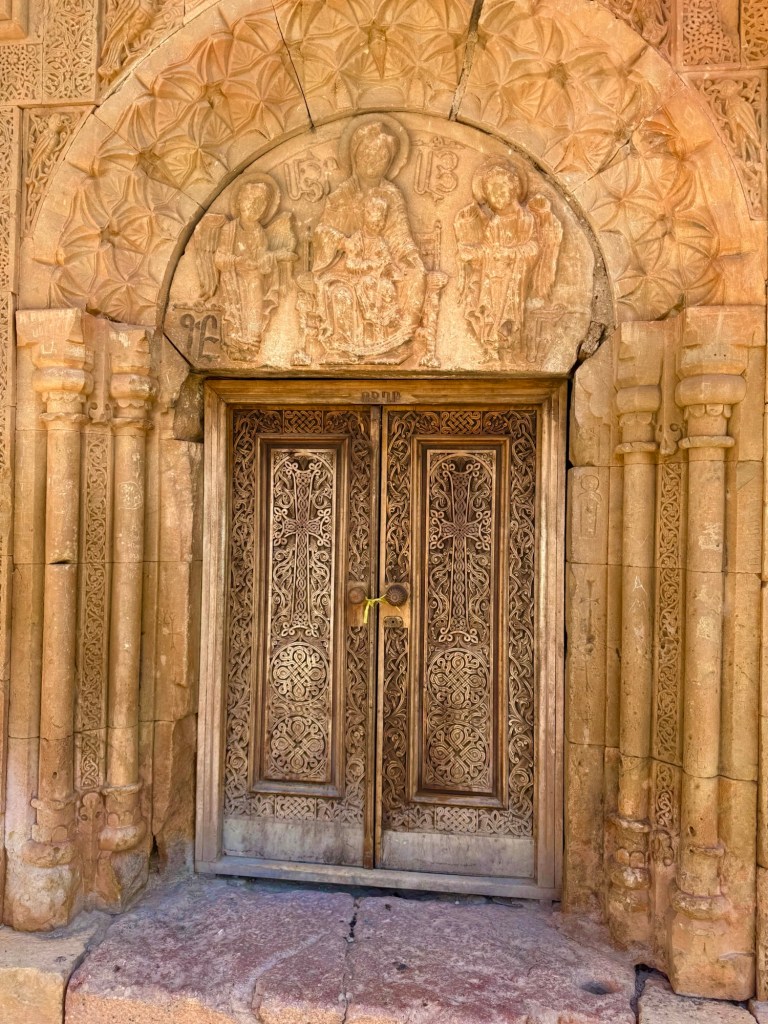
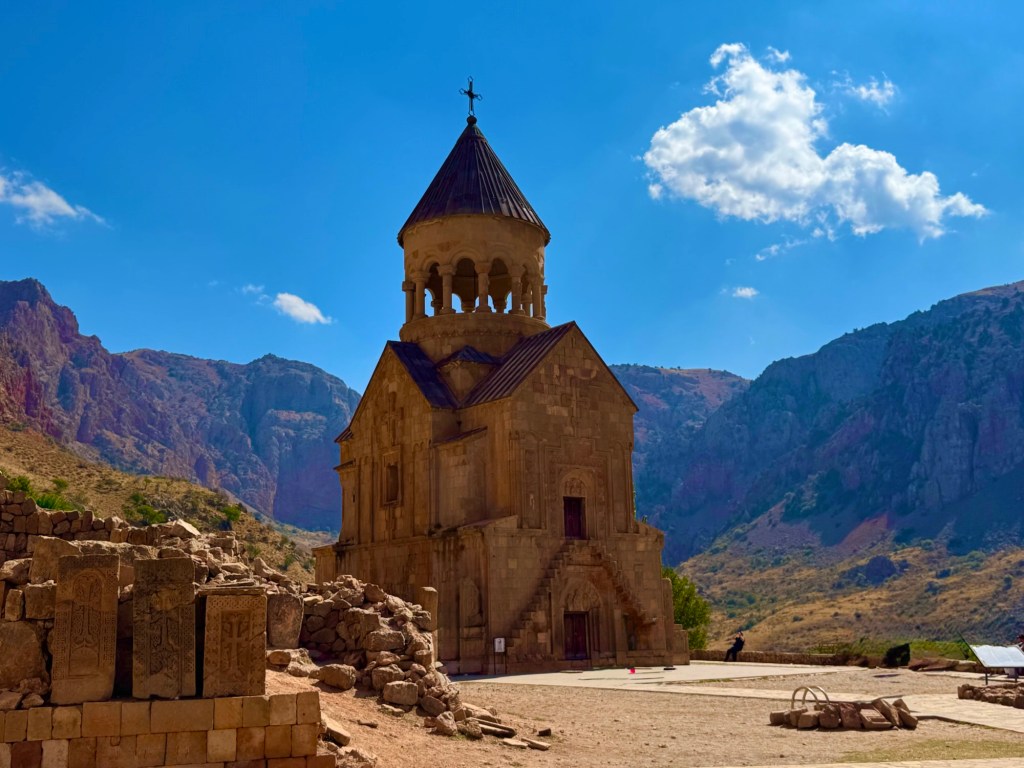
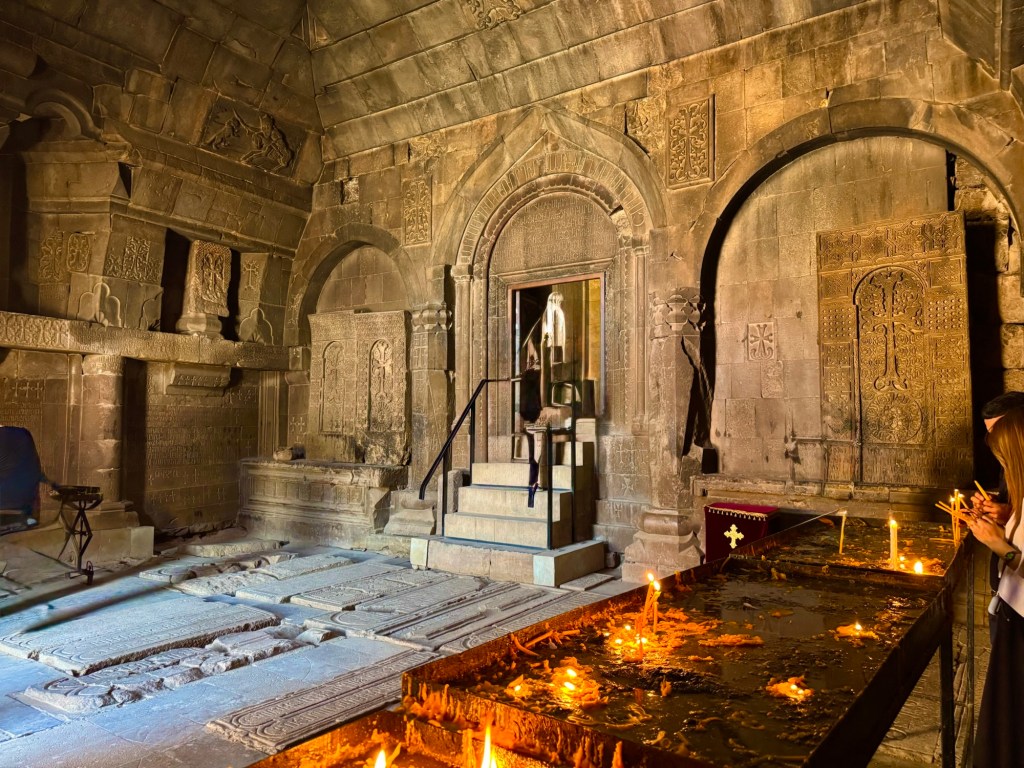
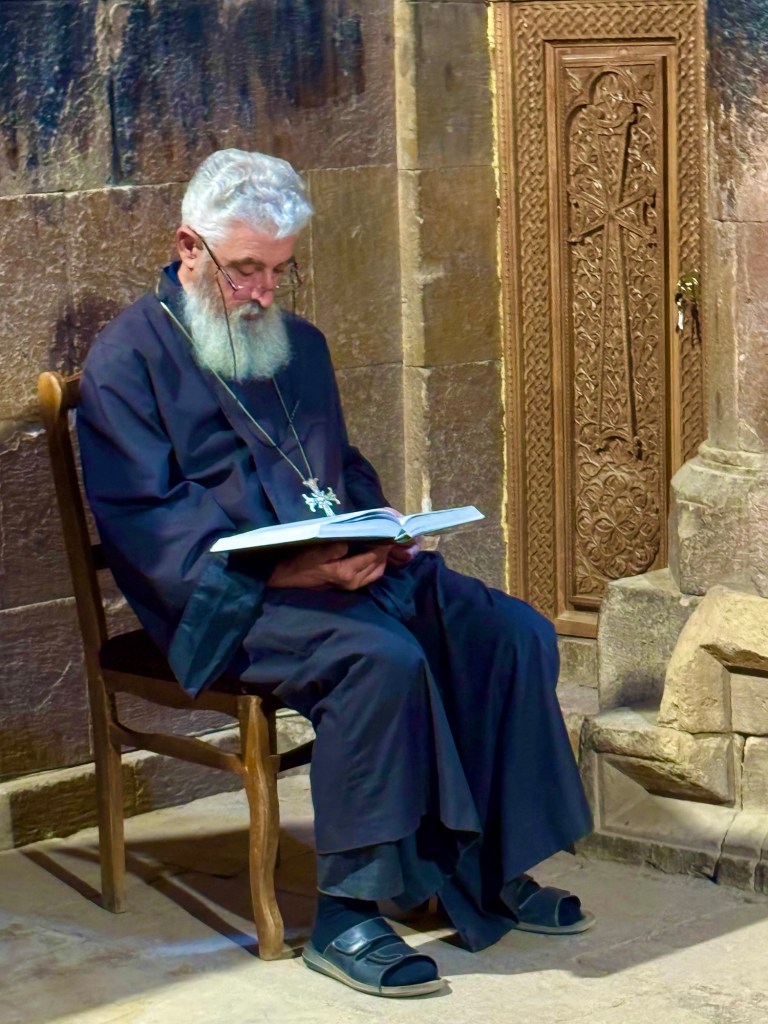
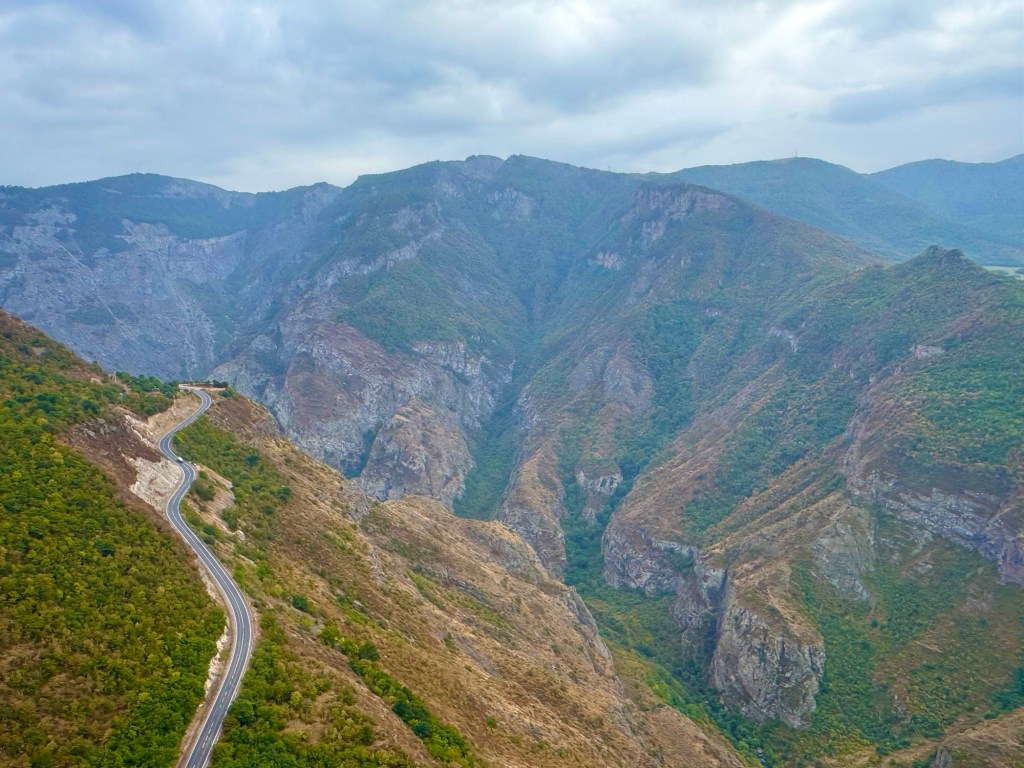
We weaved our way along the steep valley until we came to the Surb Astvatsatsin of Areni, meaning the “Holy Mother of God Church”, it is a single-nave two-aisled domed church completed in the year 1321. It is located atop a plateau overlooking the Arpa River and the village of Areni. There is also a monastery, that is currently active today. The area is quite isolated and I am sure when all the busses have gone, it would be fantastically serene.
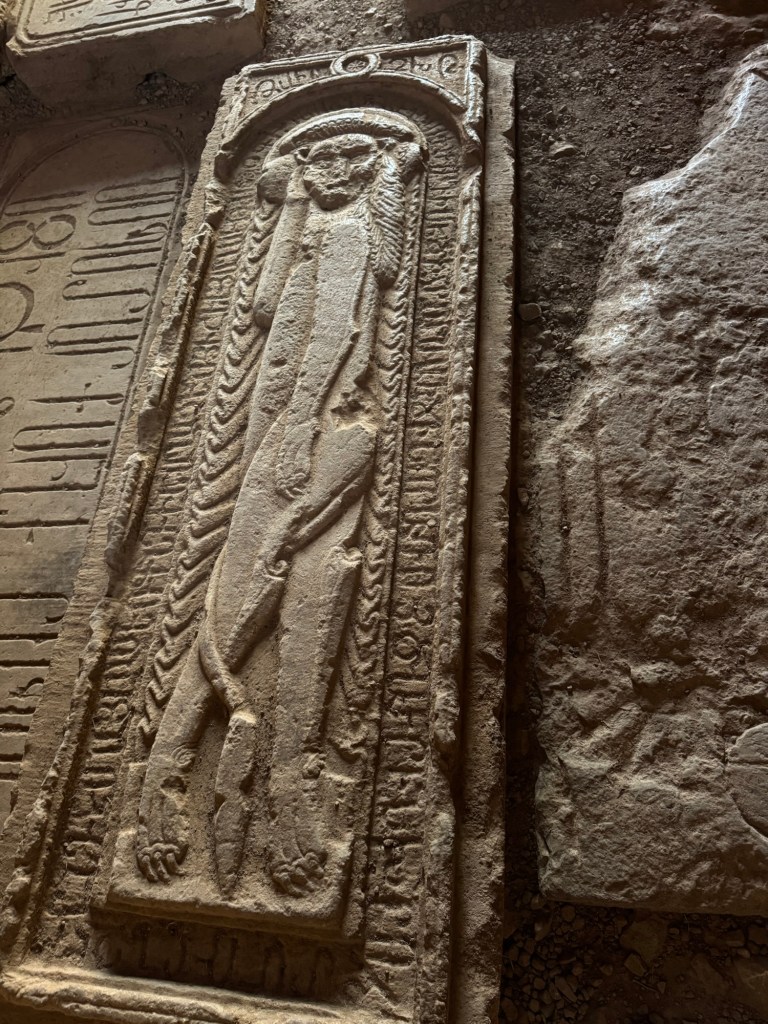
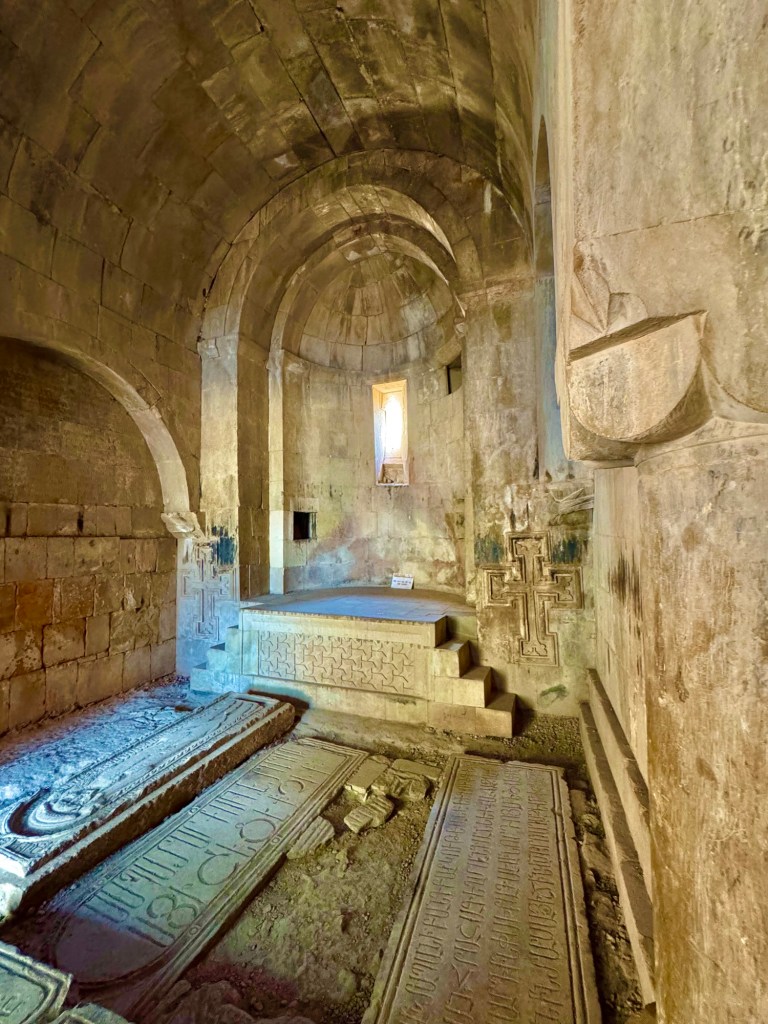
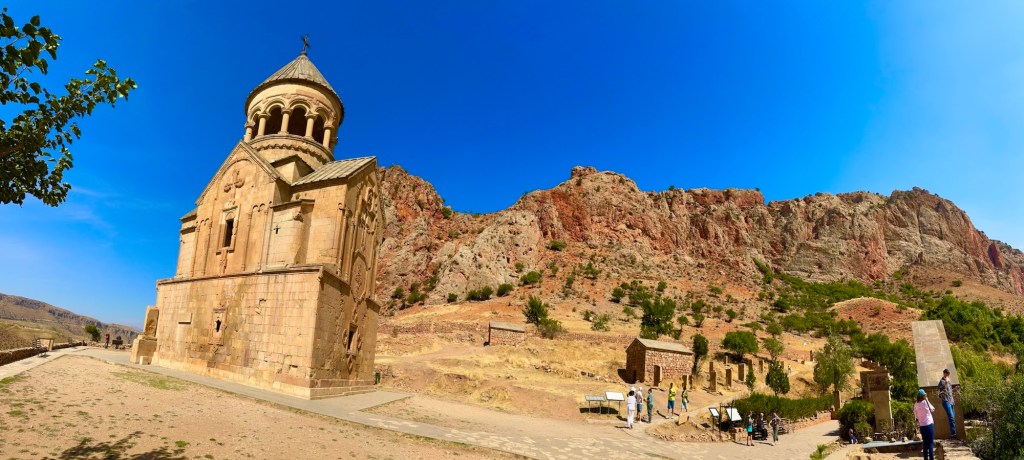
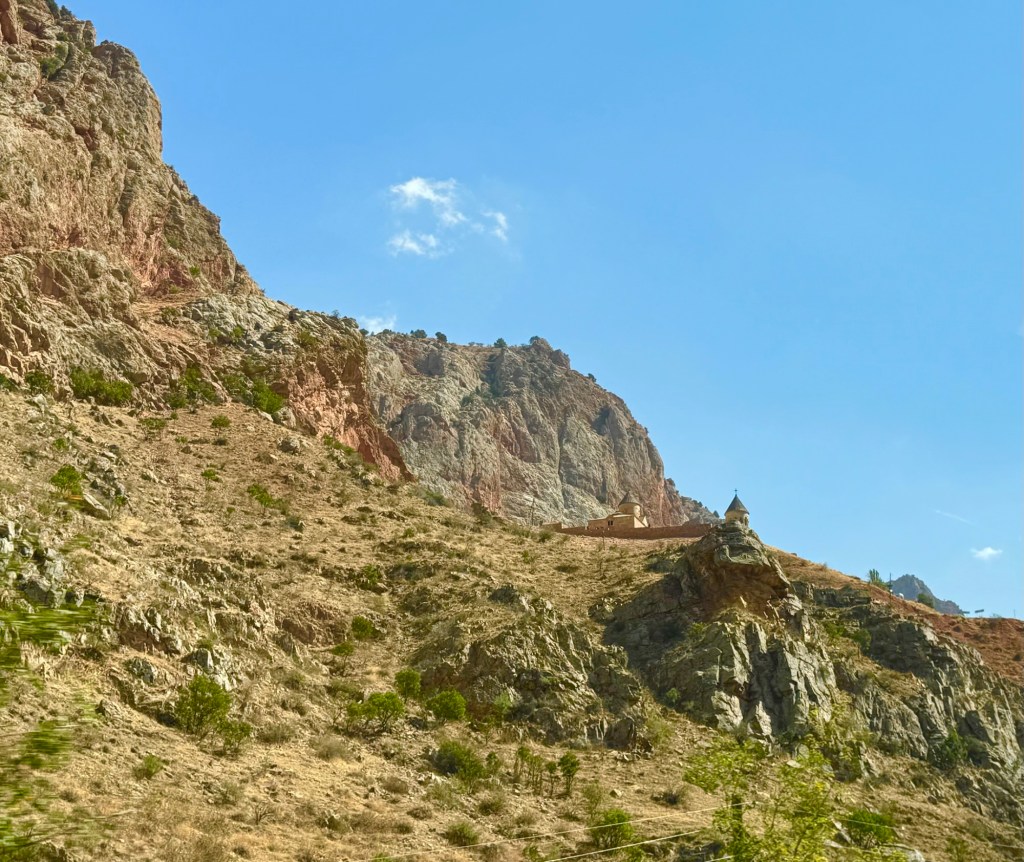
It was an absolute day of contrast for us, as we headed further south, we saw more and more military. It wasn’t until I looked at the map did I realise why. Armenia is a land locked country, and as we headed further south the borders of Turkey (west), Iran (south) and Azerbaijan (east) begin to squeeze closer together (a matter of a couple of hundred kms between all four countries).
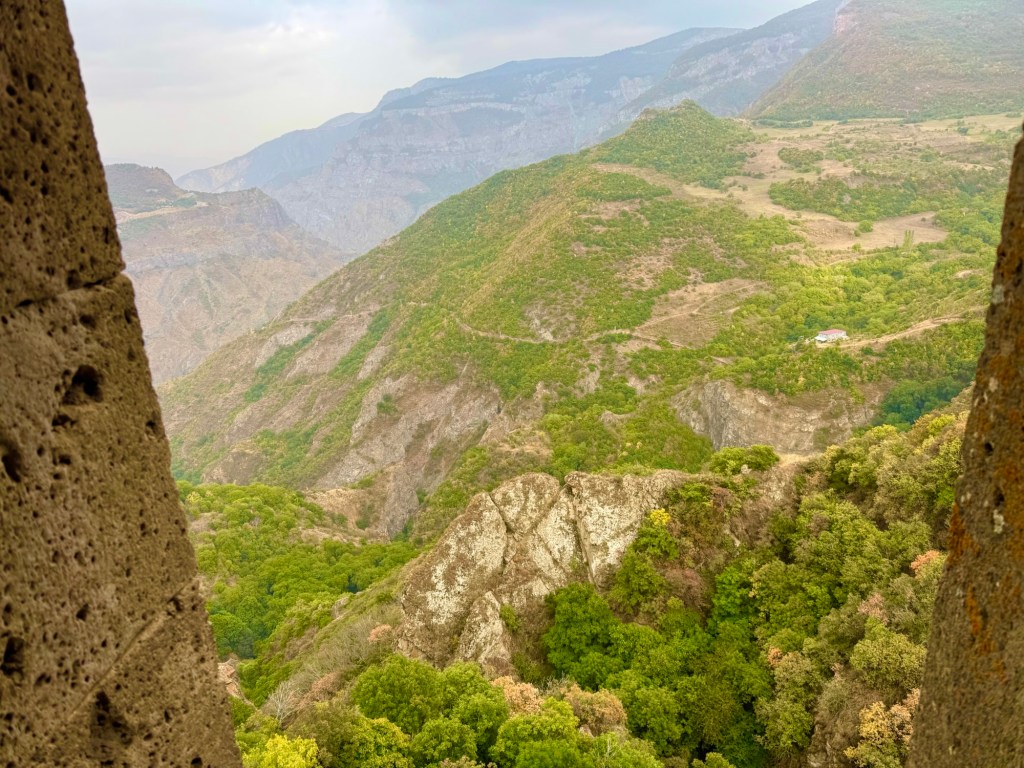
As we climbed up higher into the mountains (over 2,800m) the landscape began to change again.
We were heading towards the Tatev Monastery. We had the most amazing way to get to the monastery, via the “Wings of Tatev”, the longest revisable cableway in the world (5.7km).
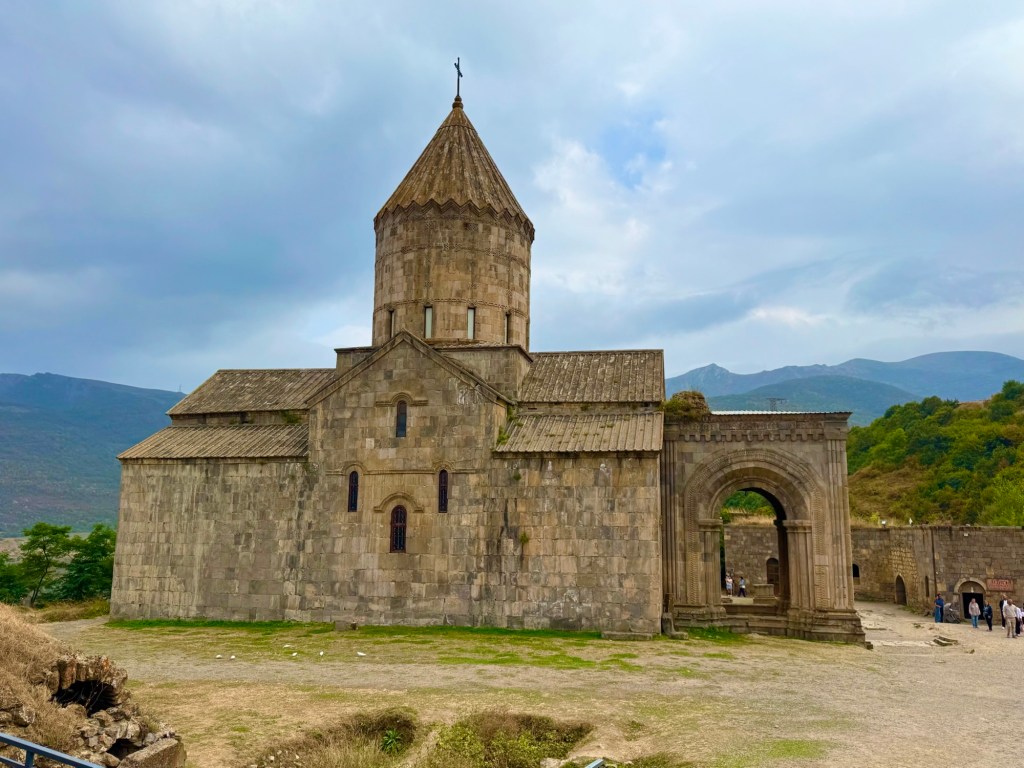
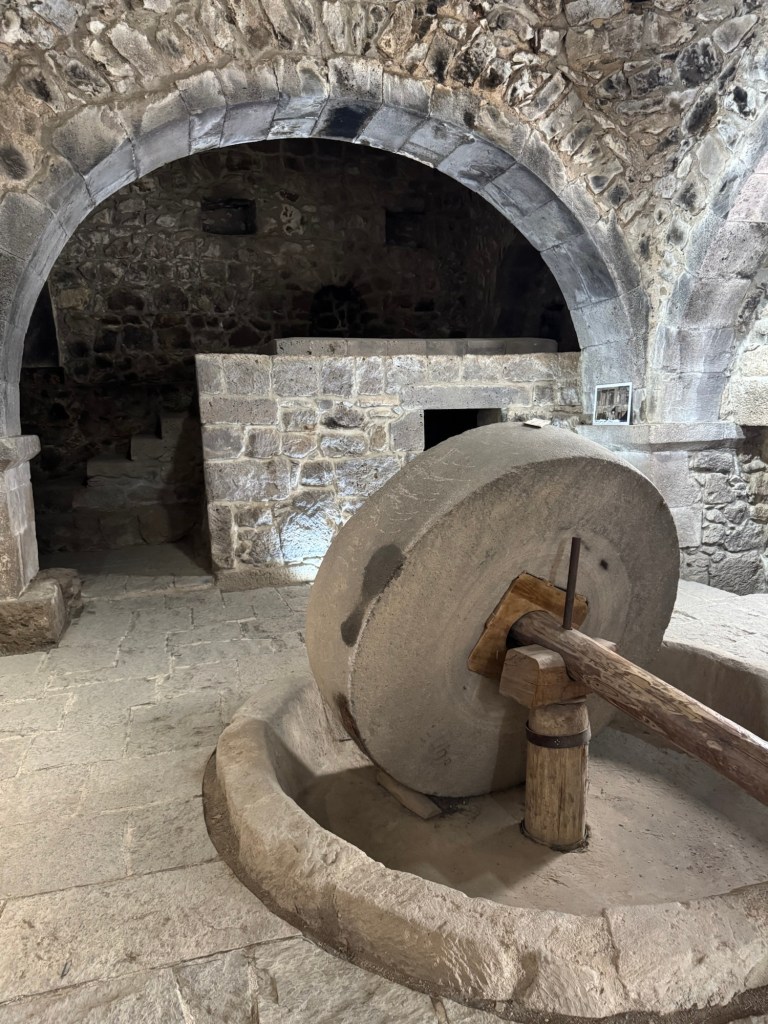
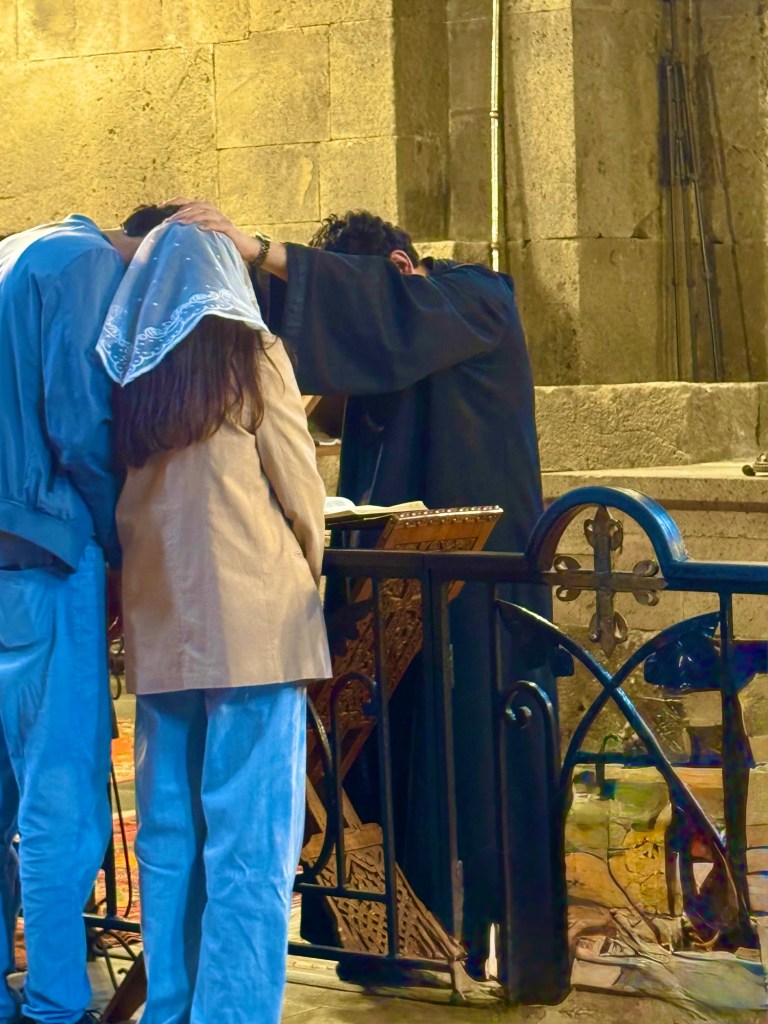
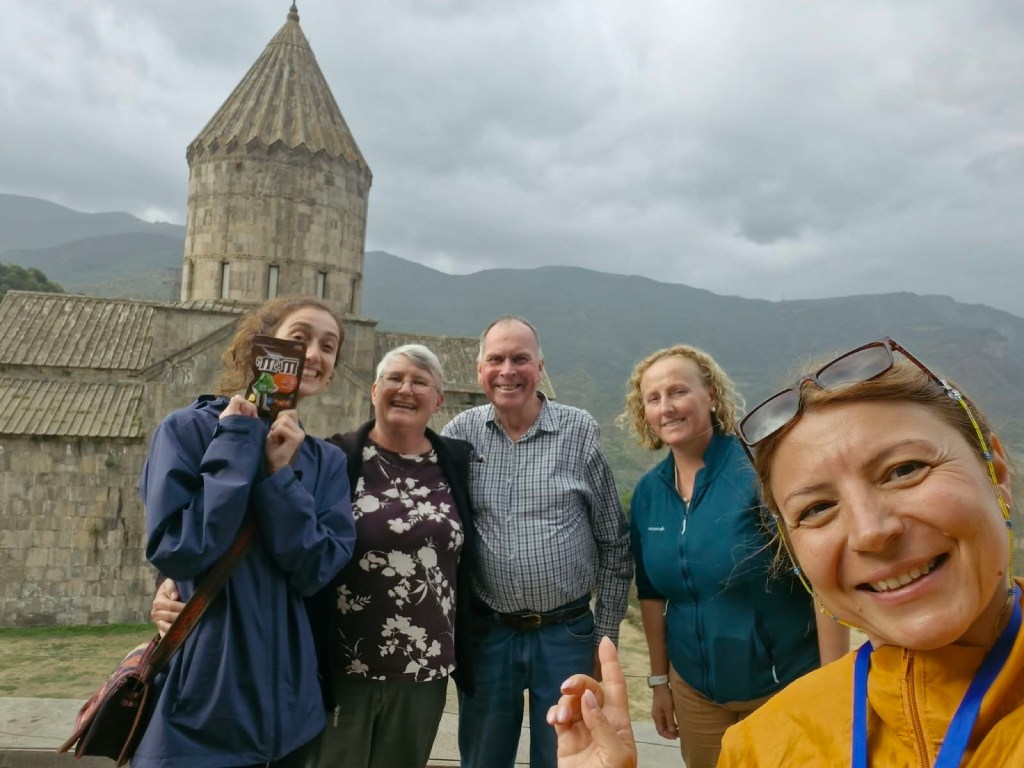
The Tatev Monastery was built in the 9th century and had many secret tunnels, doors and tunnels into the mountains to escape safely from invaders. In the 14th and 15th centuries, the monastery hosted one of the most important Armenian medieval universities, the University of Tatev, which contributed to the advancement of science, religion and philosophy, reproduction of books.
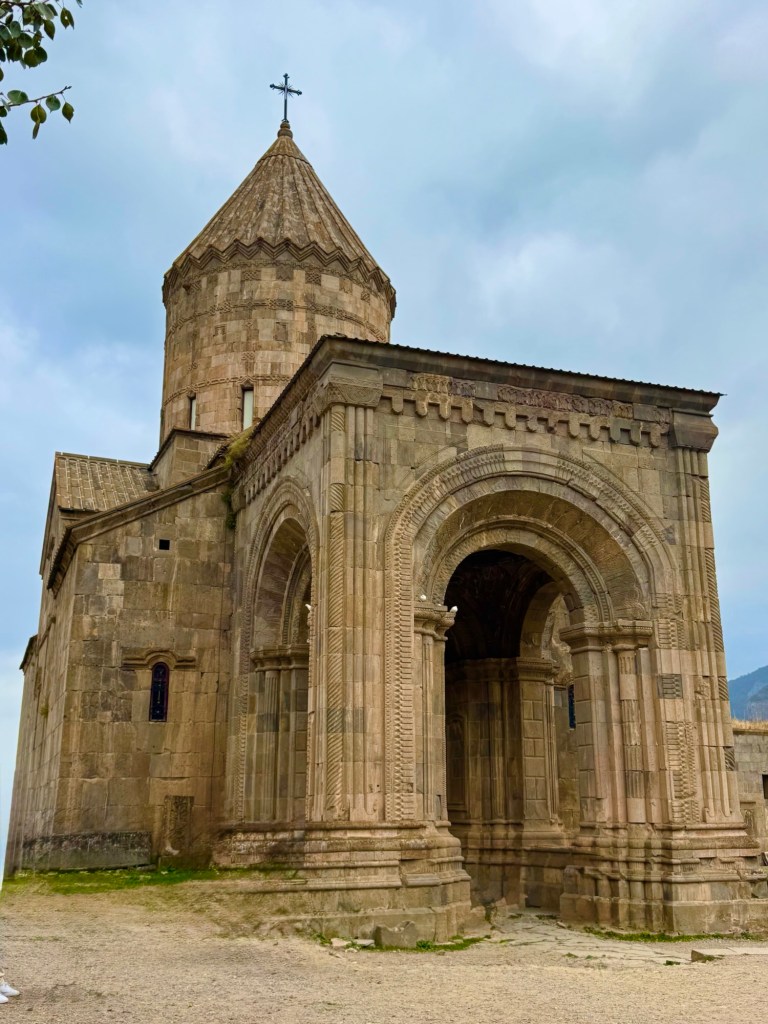
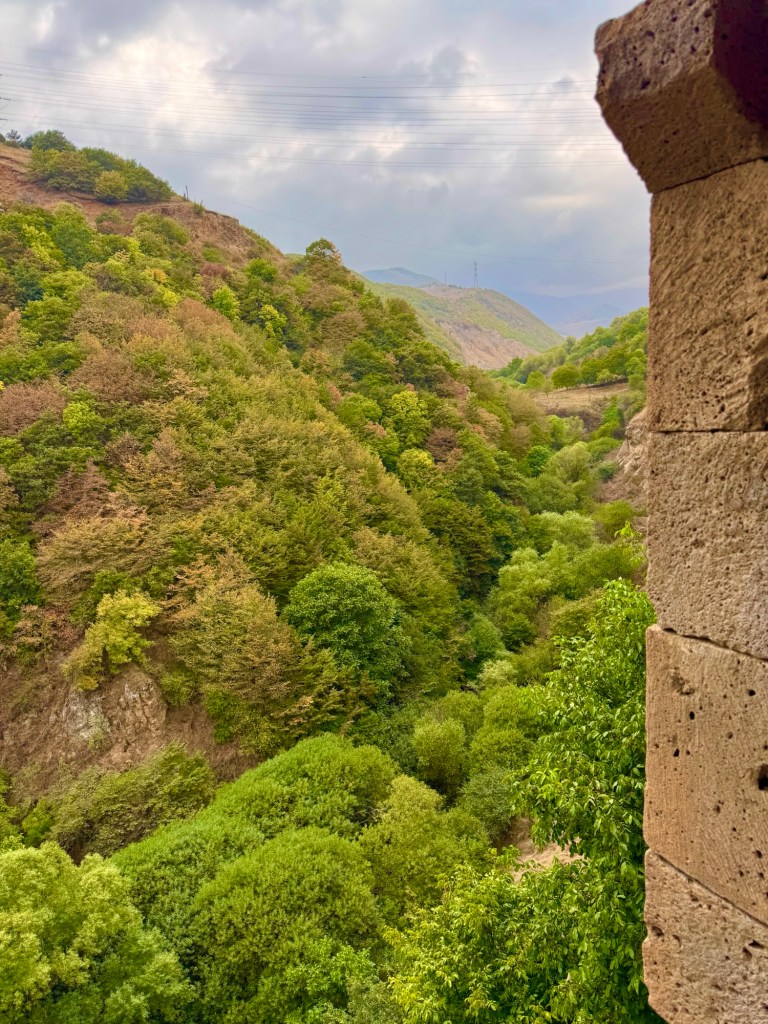
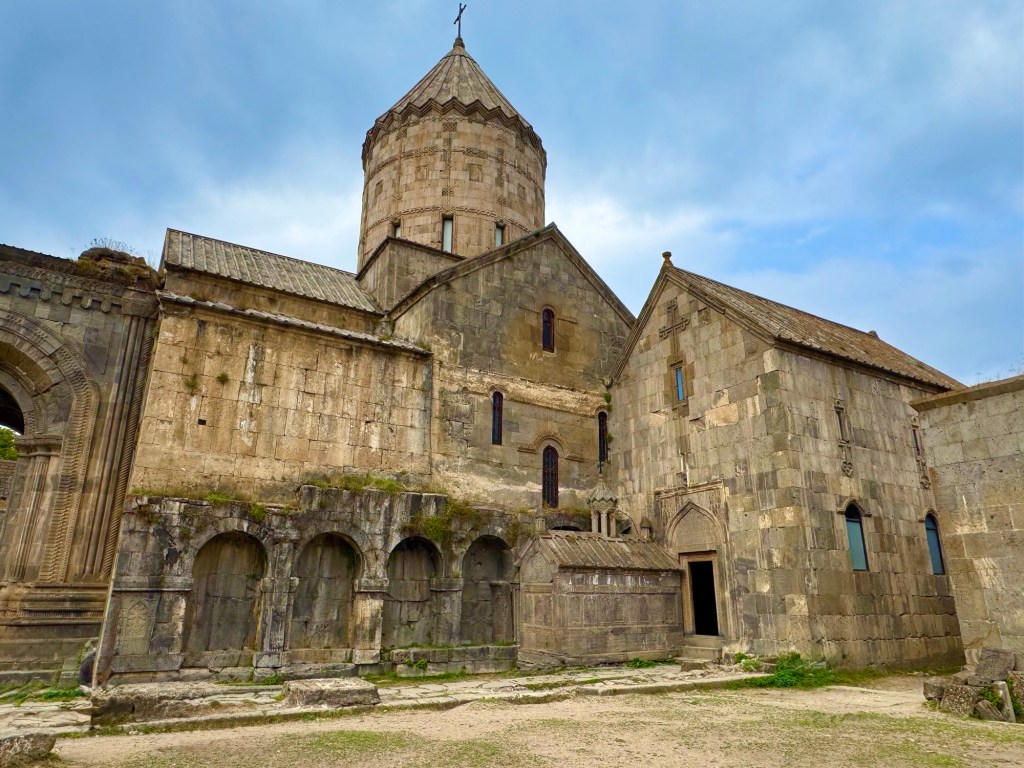
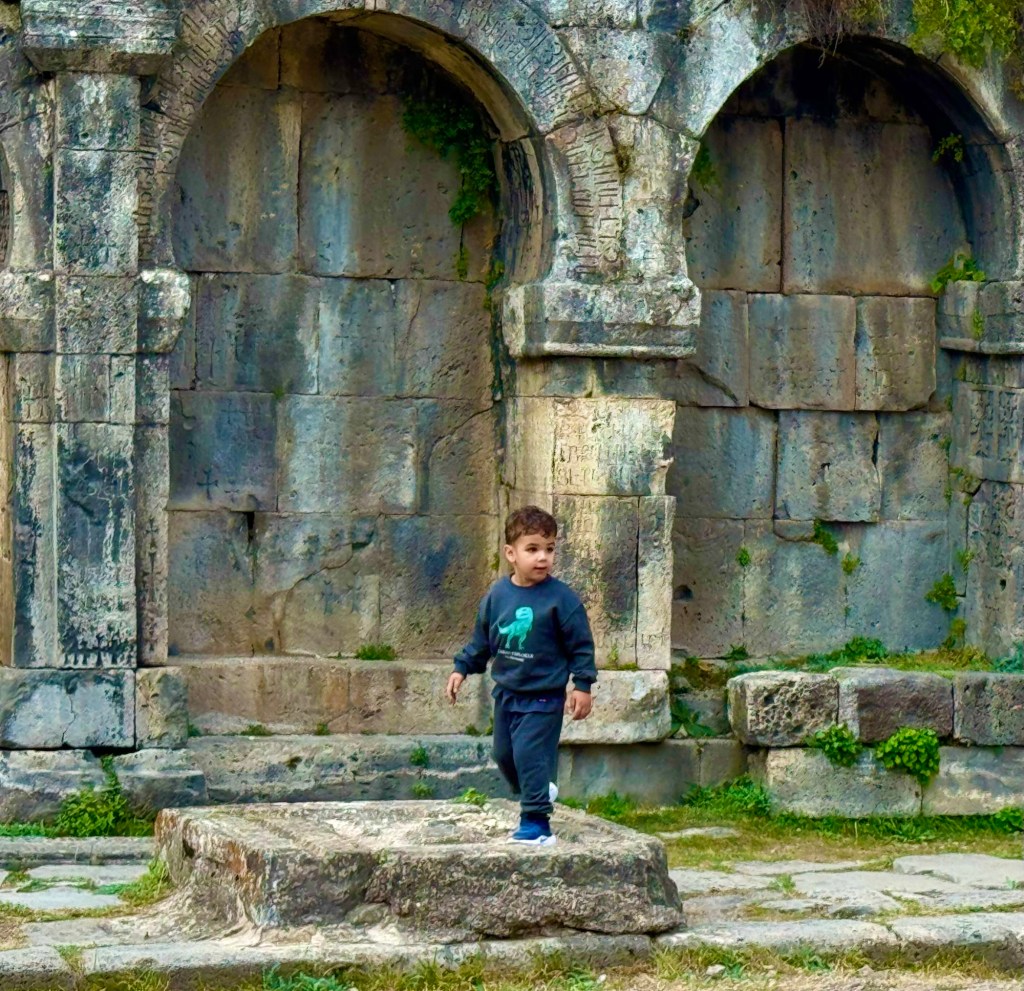
We headed back via the same cable car to head towards the town of Goris. This is as far south as we are travelling within Armenia. Tomorrow we will be heading towards the Medieval cave city of Goris.