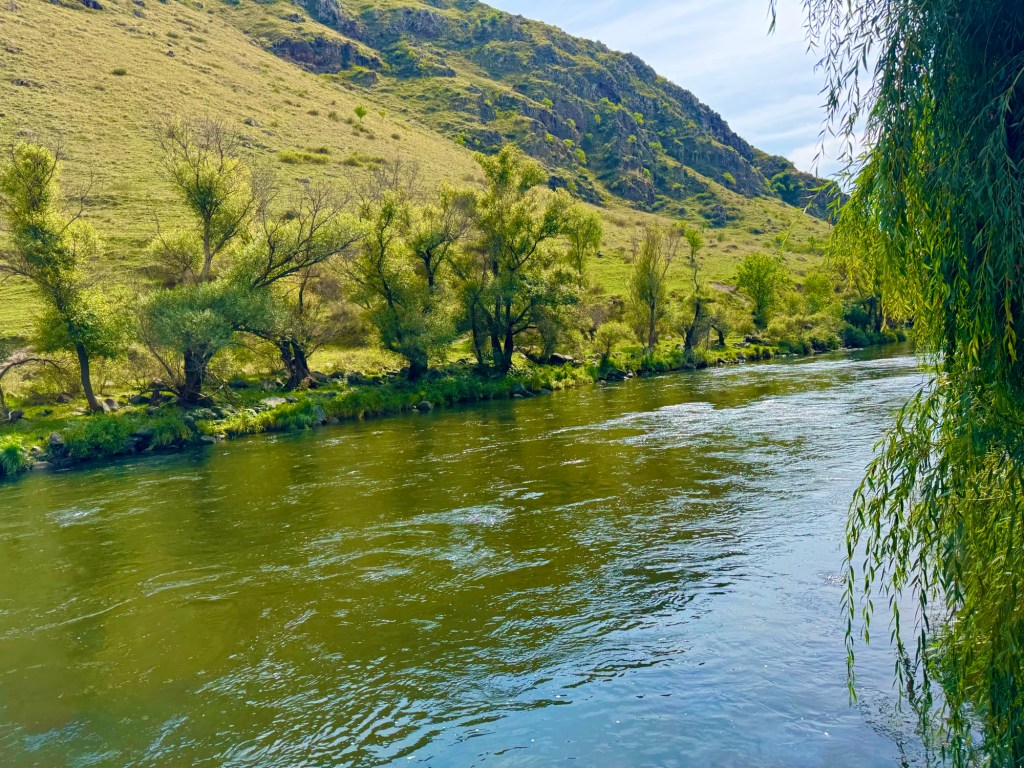
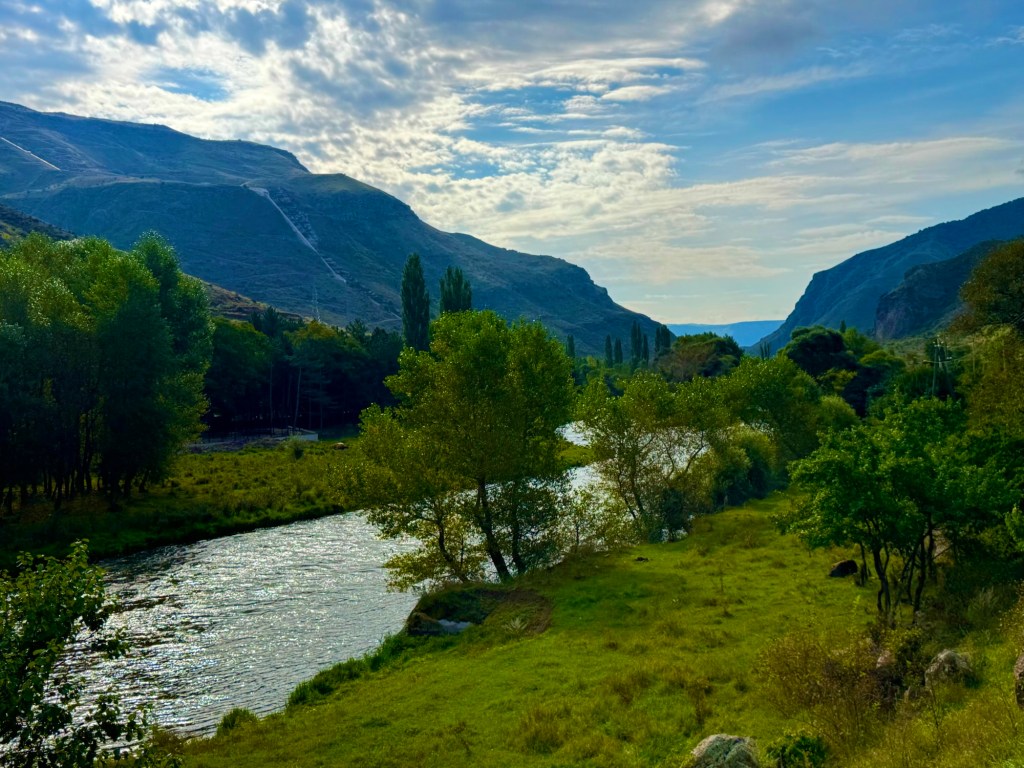
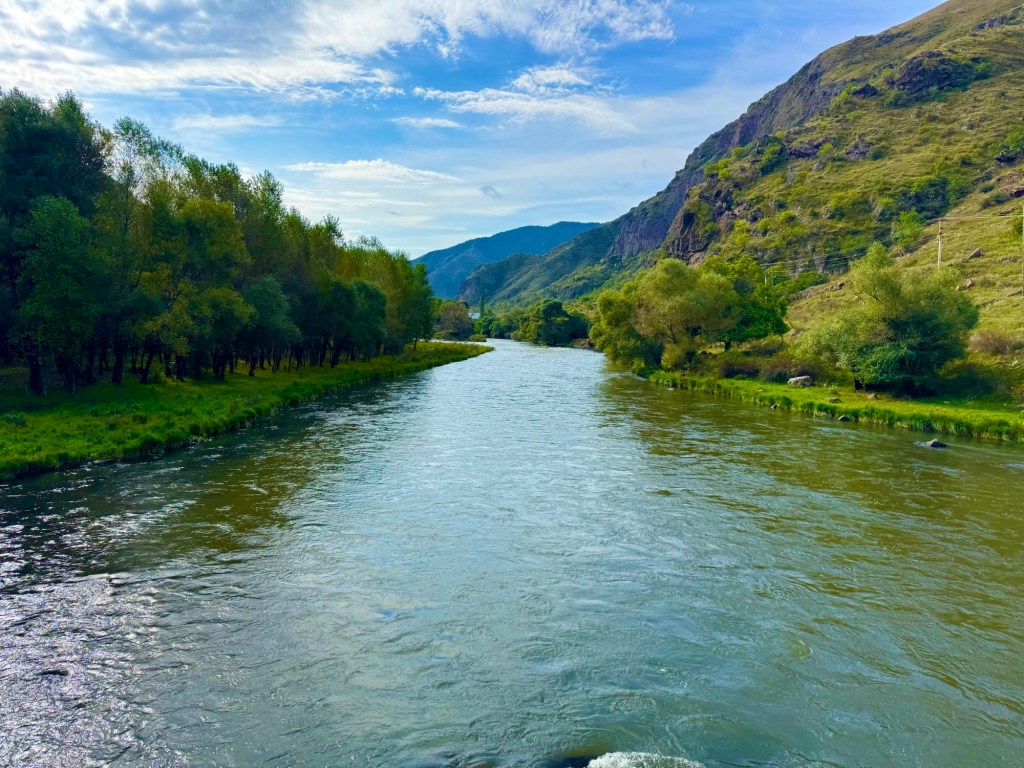
Following us out of Georgia has been the Mtkvari River (Kura River). This river originates in northeastern Turkey, the Kura first flows north to Georgia, then southeast into Azerbaijan, where it receives the Aras as a tributary, and finally enters the Caspian Sea. The total length of the river is 1,515 kilometres.
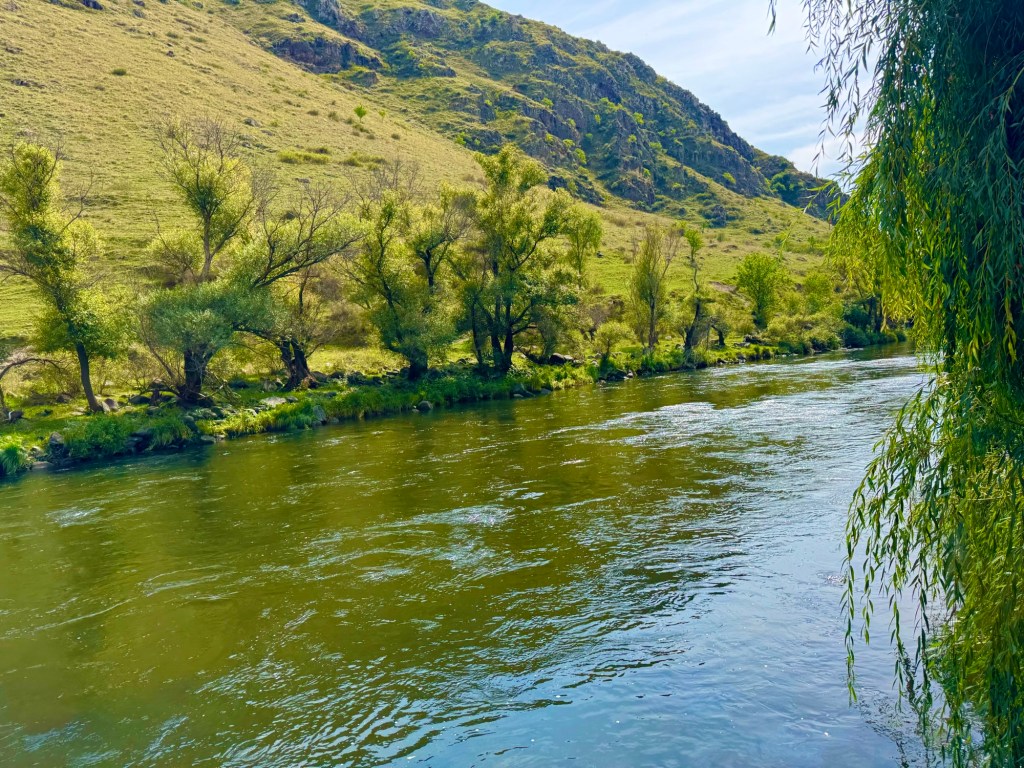
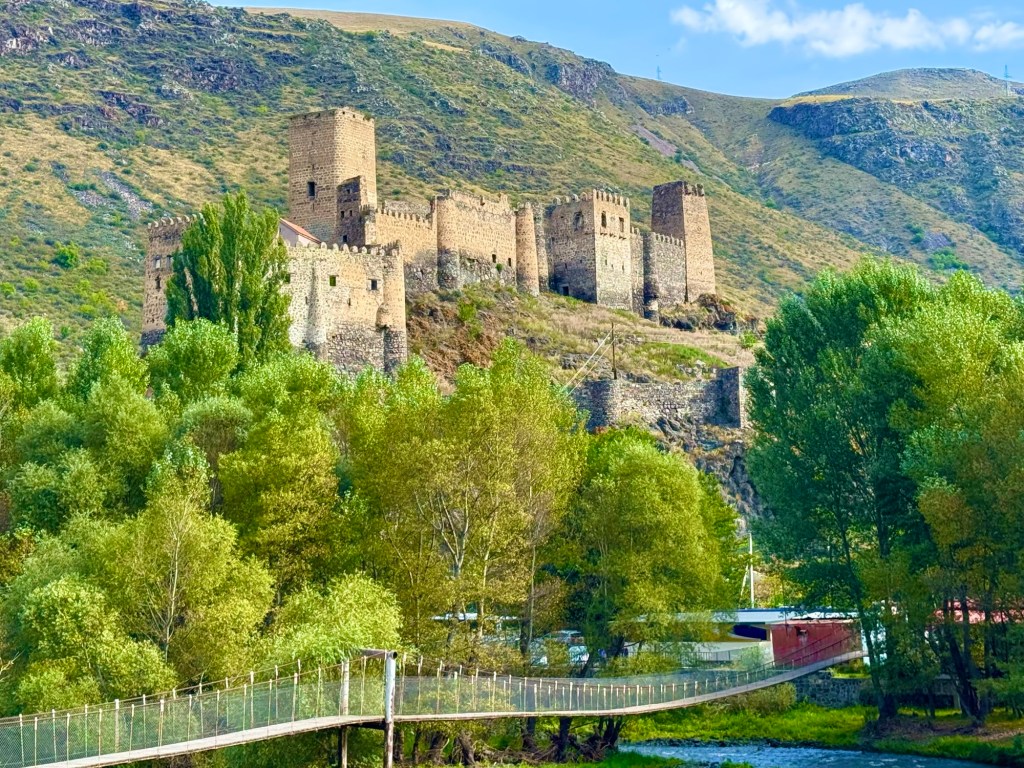
Along its banks you will find the Tmogvi Fortress and the stone carved city of Vardzia. Tmogvi Fortress was built around the 9th century to guard key trade routes connecting Asia Minor and the Georgian interior. It was suffered severed damage by massive earthquakes in 1088, 1283, and 1319. If you look closely, you can see the stairs coming down from the fortress to the river for water collection (what a job!).
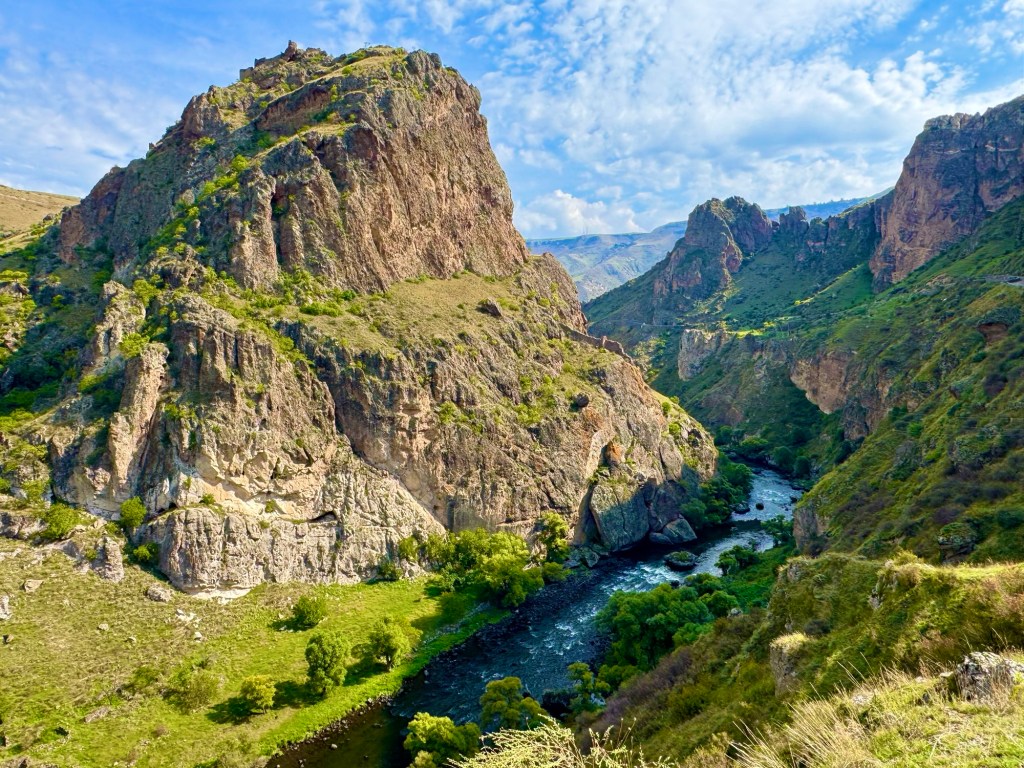
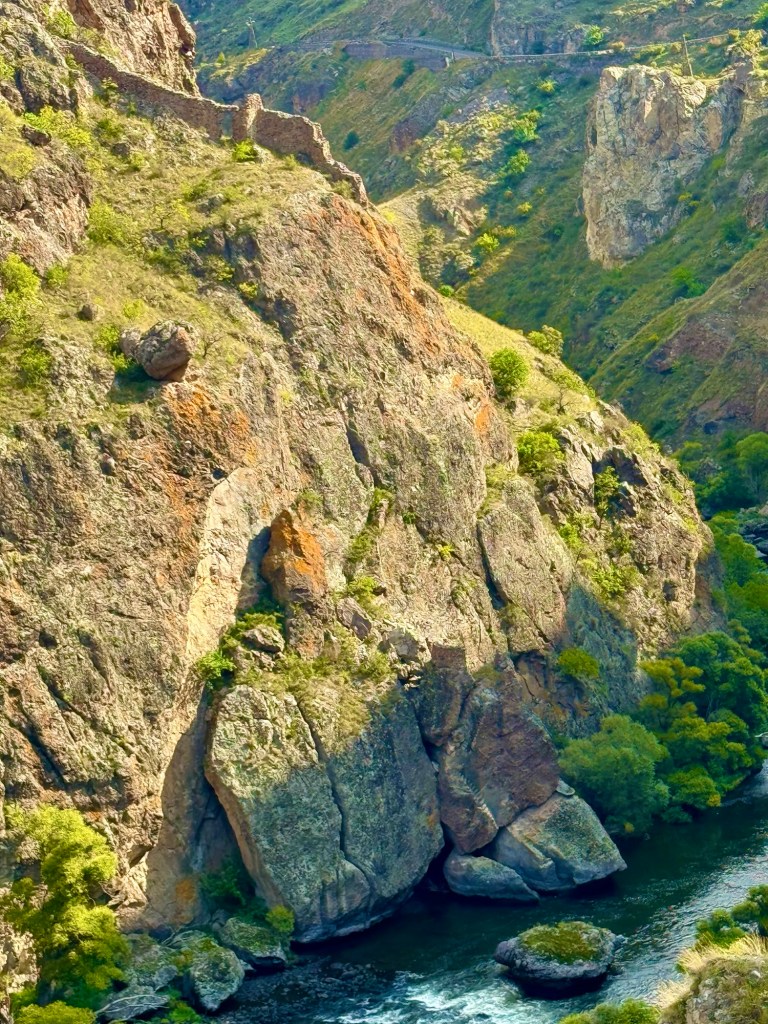
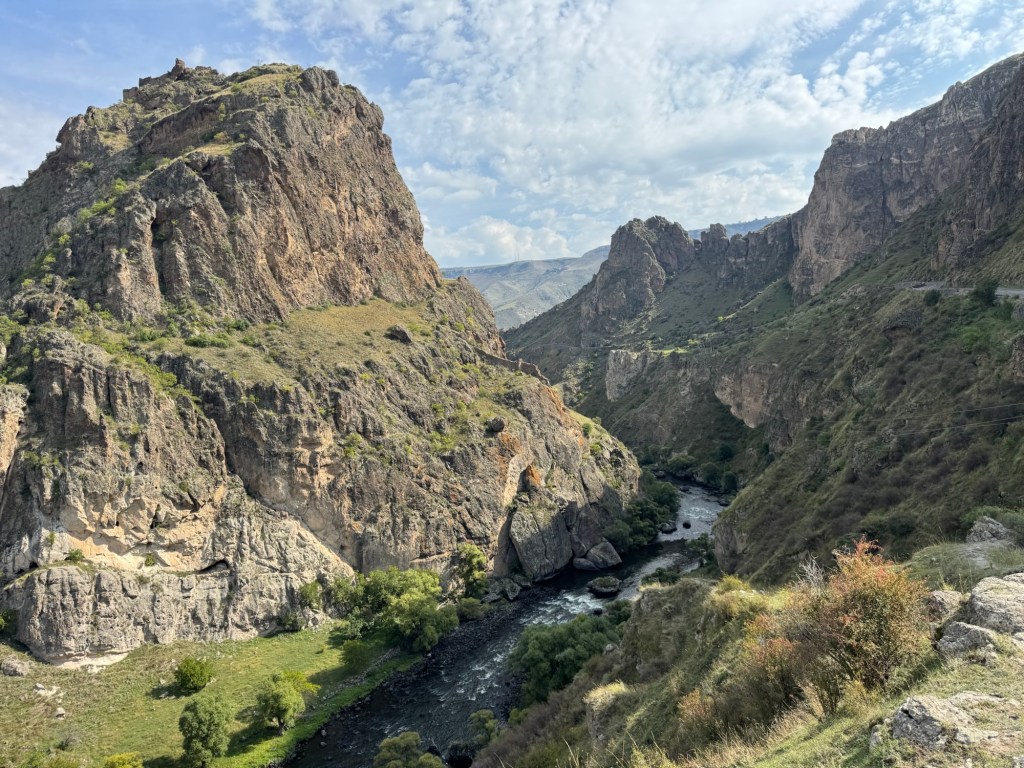
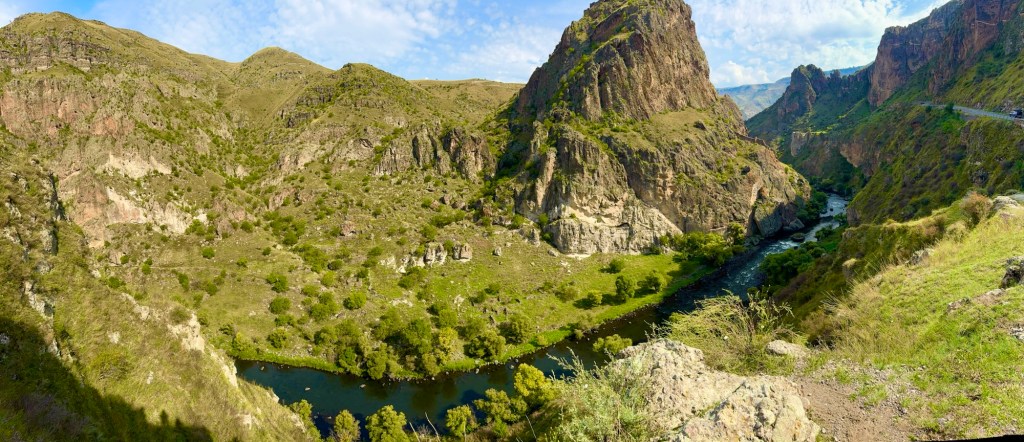
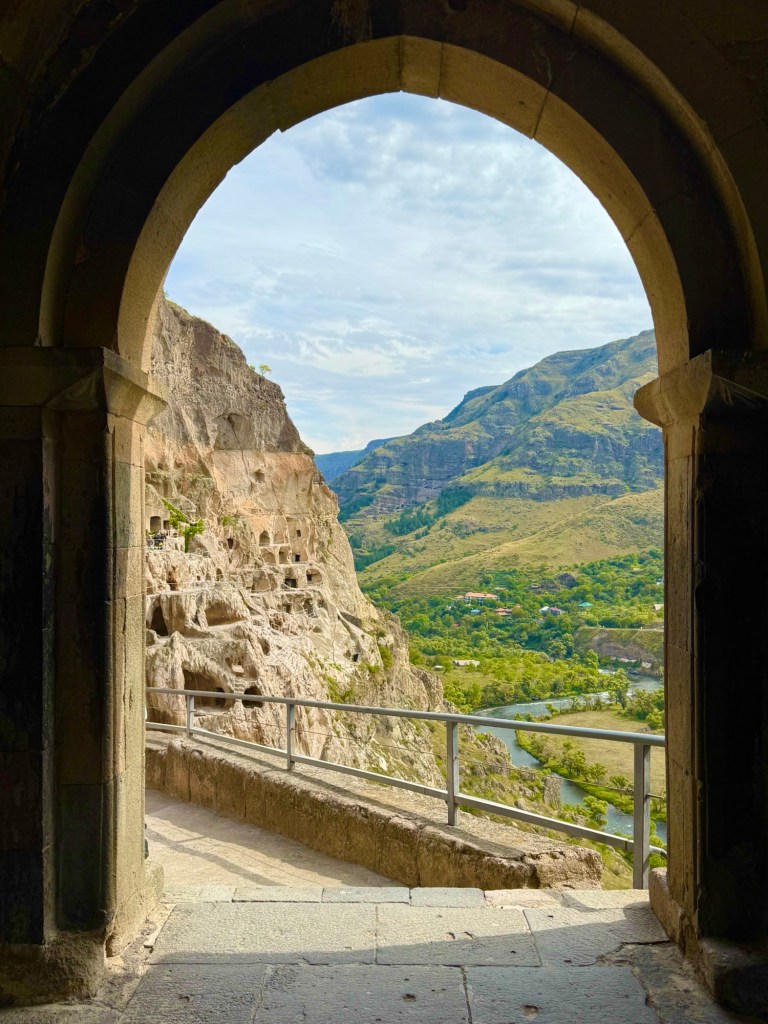
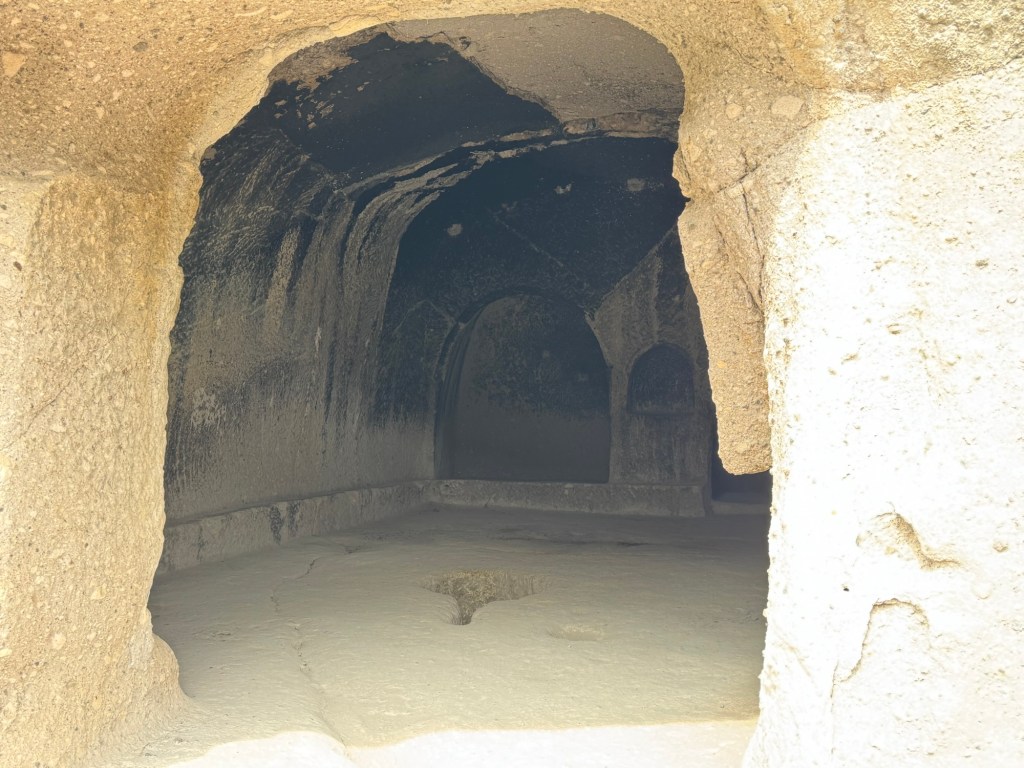
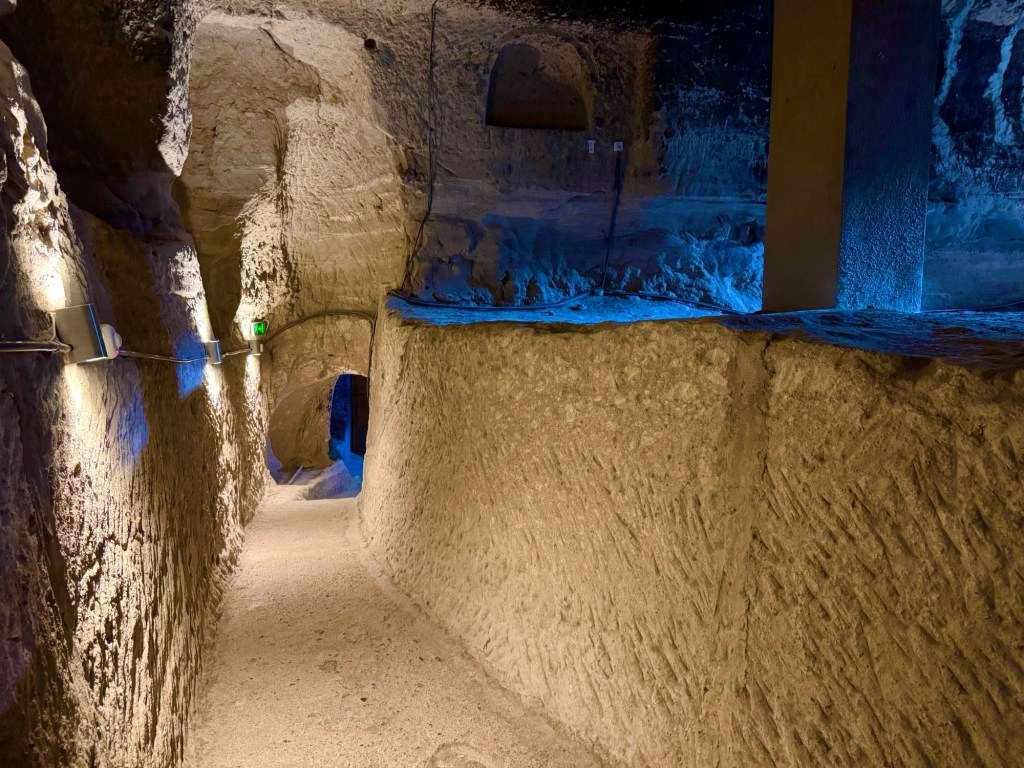
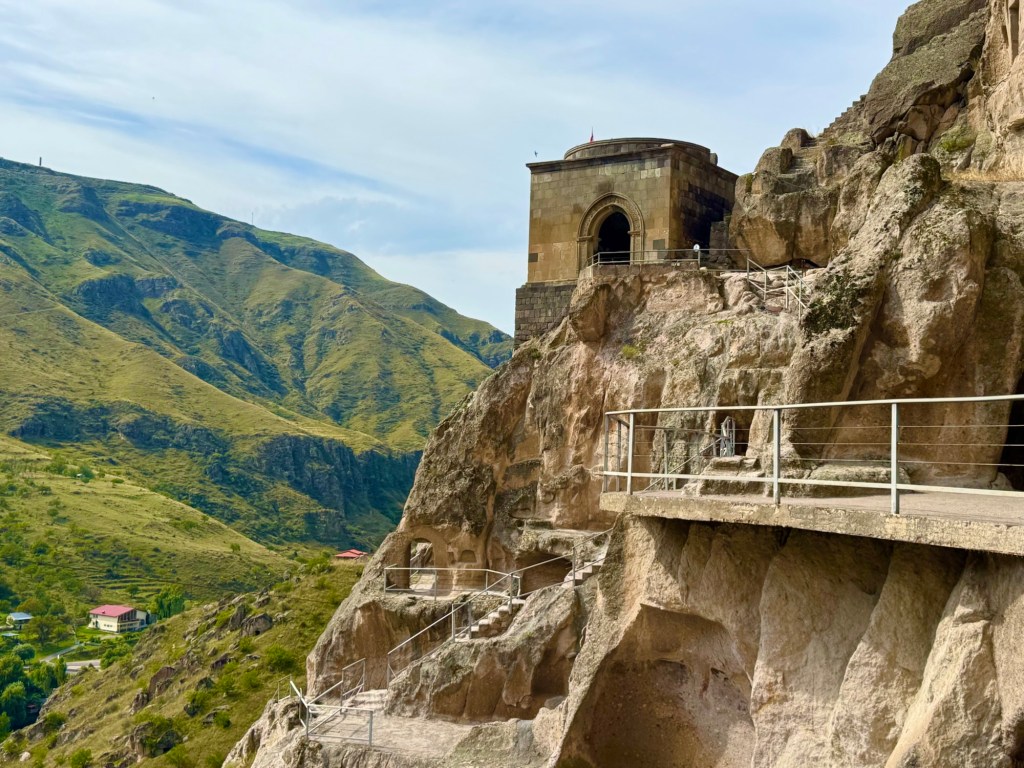
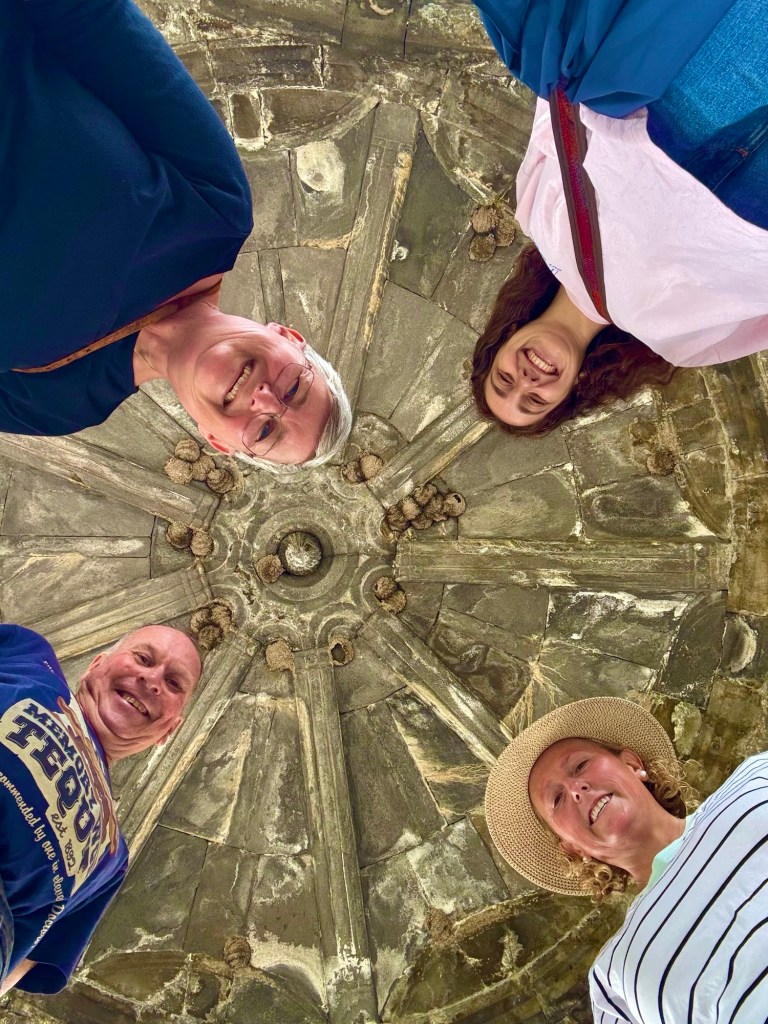
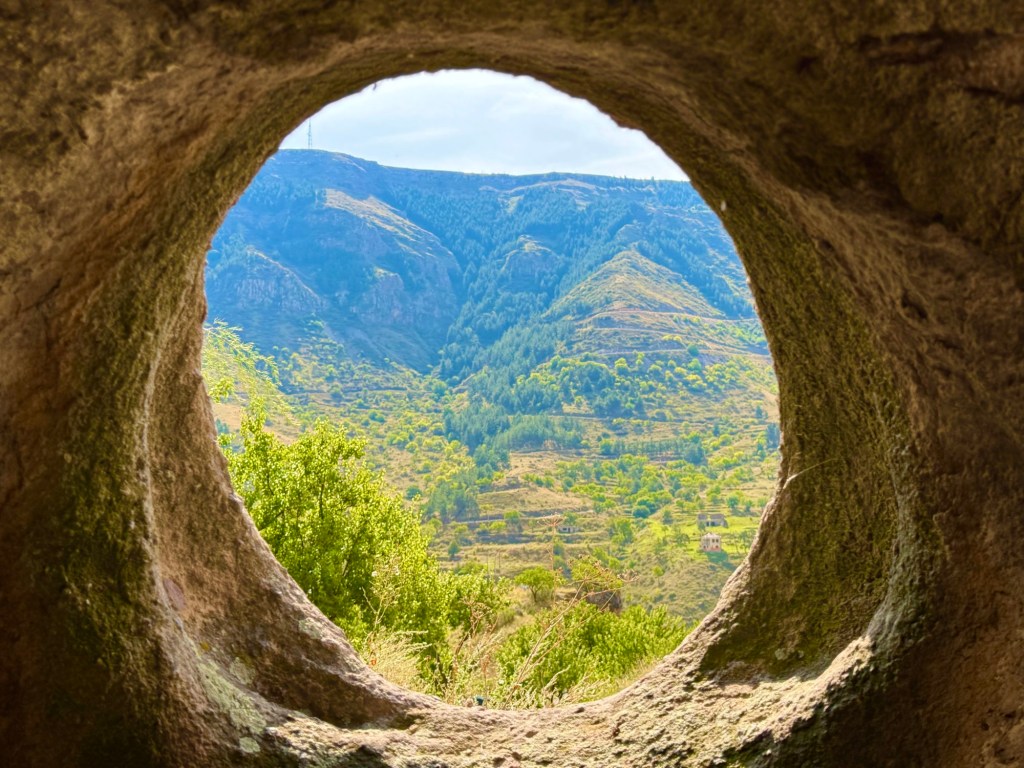
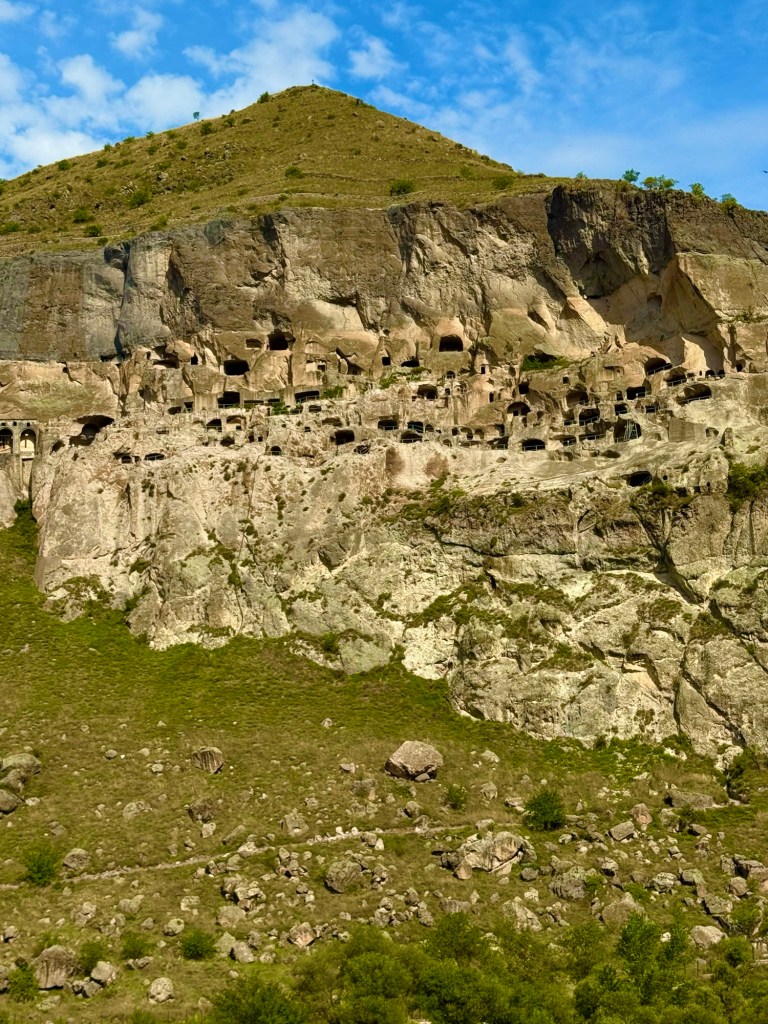
Further upstream we came across Vardzia, a city hewn out of stone. The city was erected in the 12 th – 13 th centuries during the rule of George III and his daughter of Tamar (also known as King Tamar) for the purpose of the southern boundaries of Georgia protection and was inhabited by Royal Monks. Monks still live in the cave city currently and produce hillside wine.
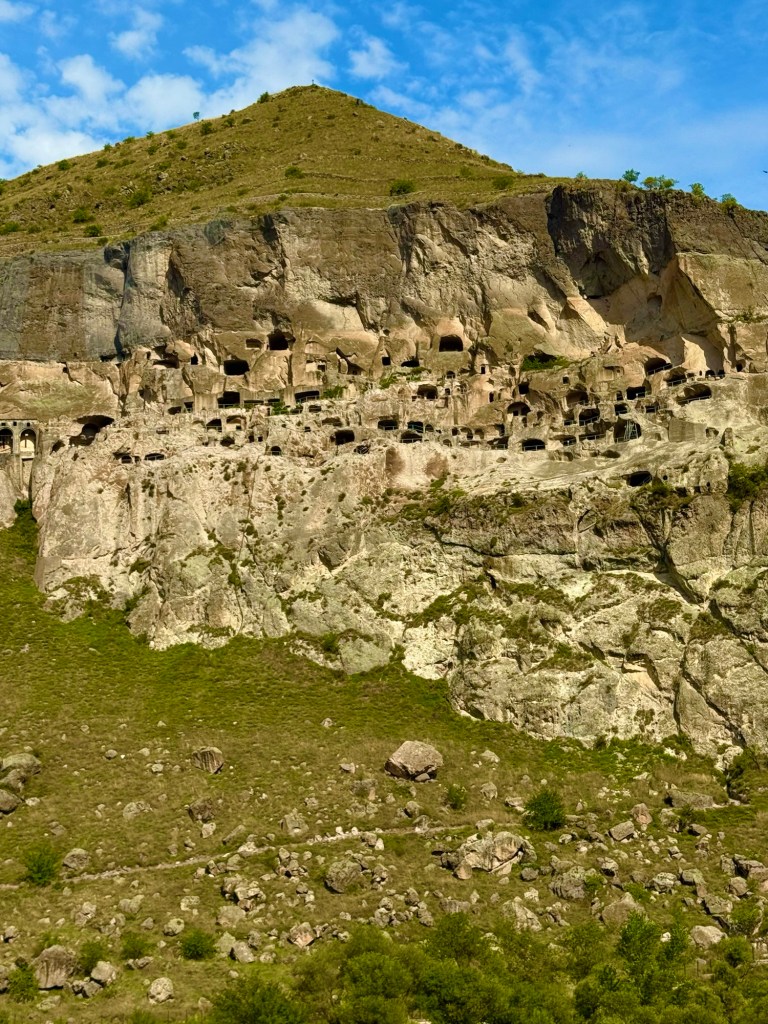
All in all there are over 600 premises connected by passages which stretched along the mountain for as long as 800 meters, to the depth of 50 meters standing 8 levels tall. In case of an enemy attack the monastery turned into a fortress for inhabitants and could host up to 20, 000 people.
We have been seeing fortresses all through southern Georgia, as defence has made up most of their history, with only a century or two of expansion in their past.
 Work Travel Save Repeat