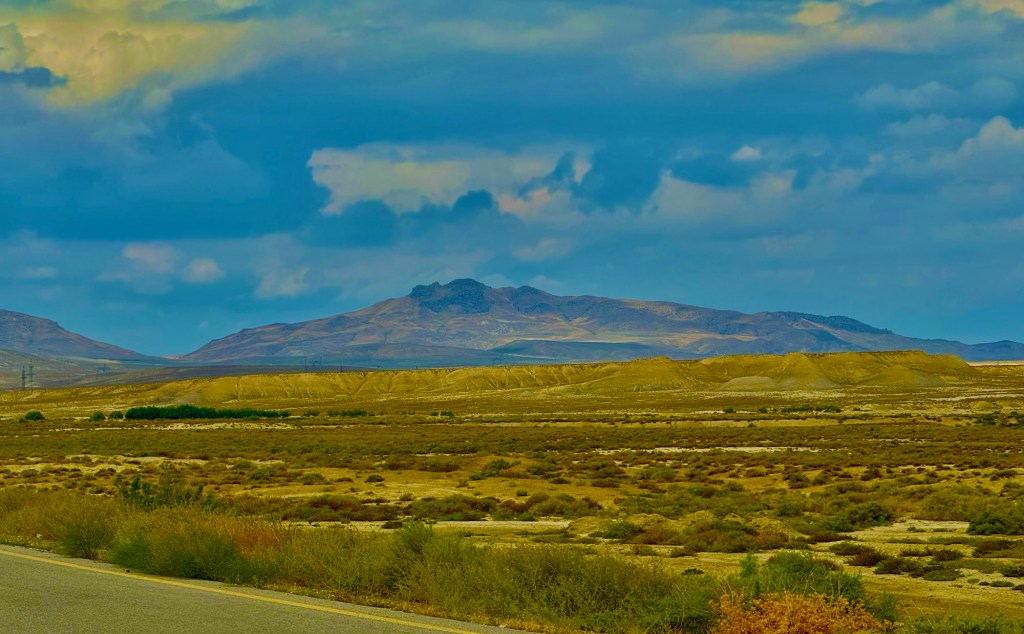
Today we headed out to the Gobustan Petroglyphs. 35,000 years ago, the area was a high rain fall area, with many different animals (leopards, hippos, many different antelope etc). The people living there at this time, made many carvings into the local limestone. It’s interesting that many prehistoric people have some fairly similar types of carving, artwork and things they focussed on.
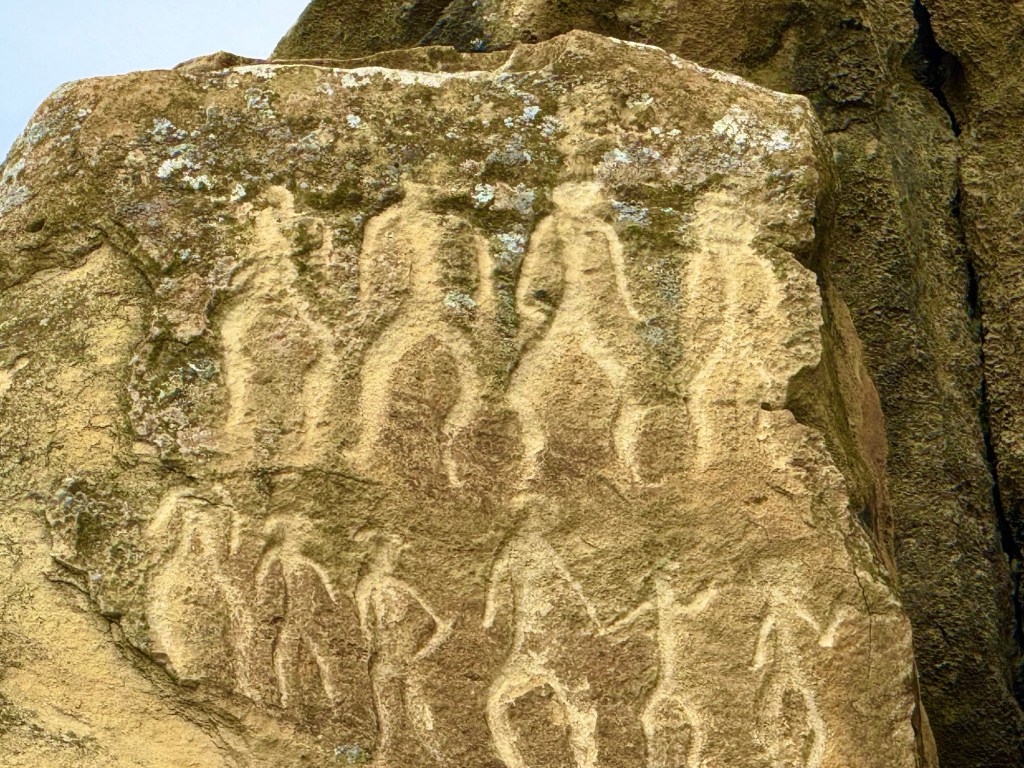
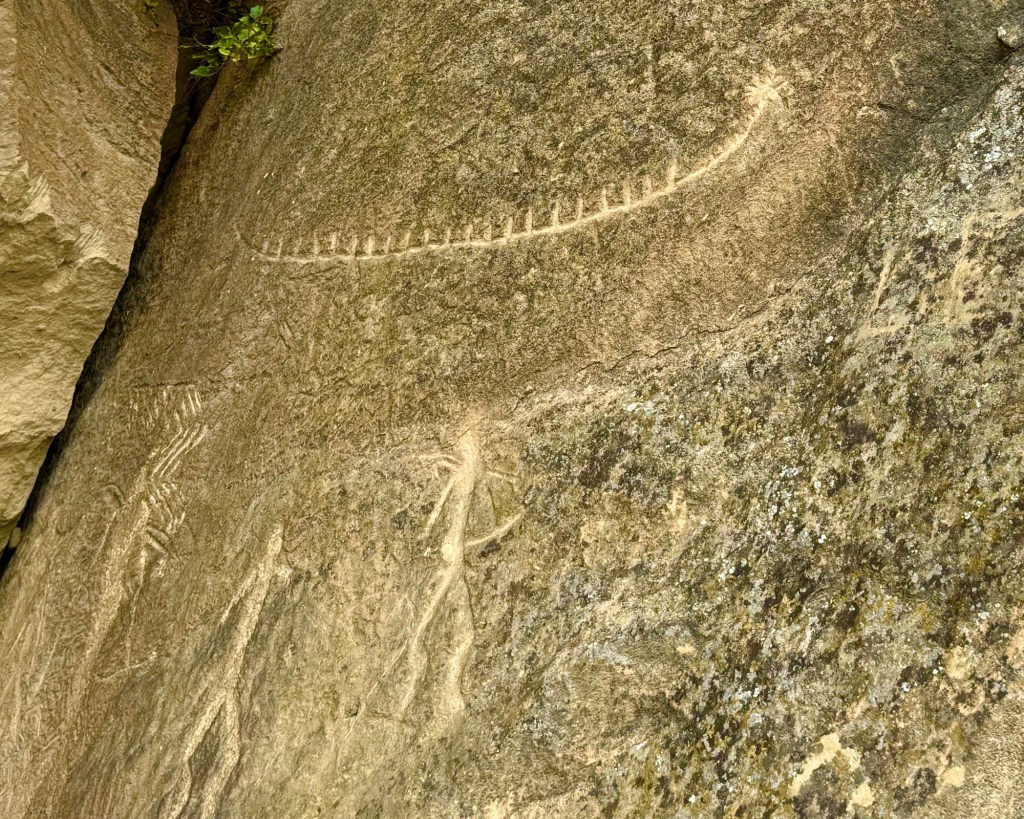
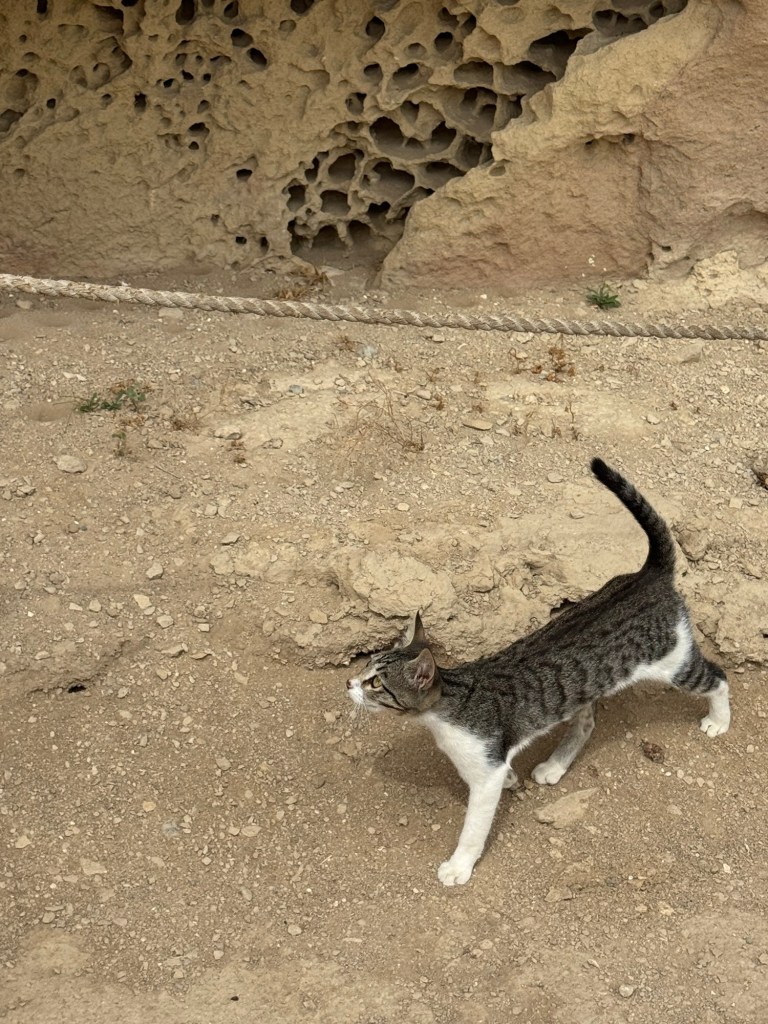
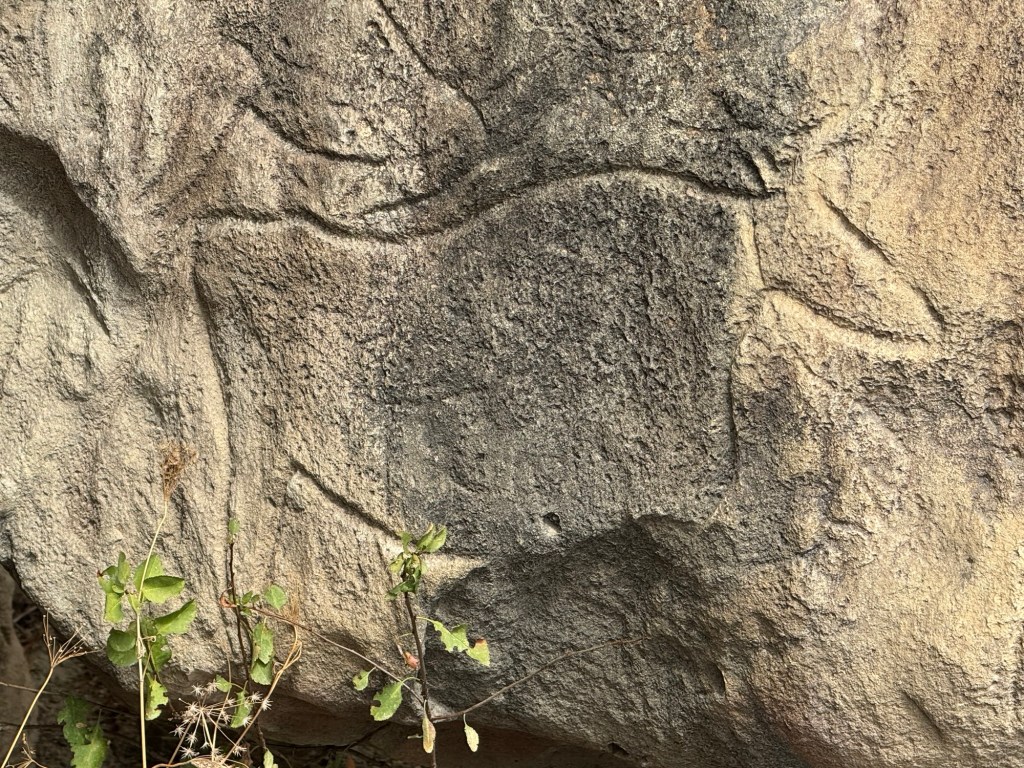
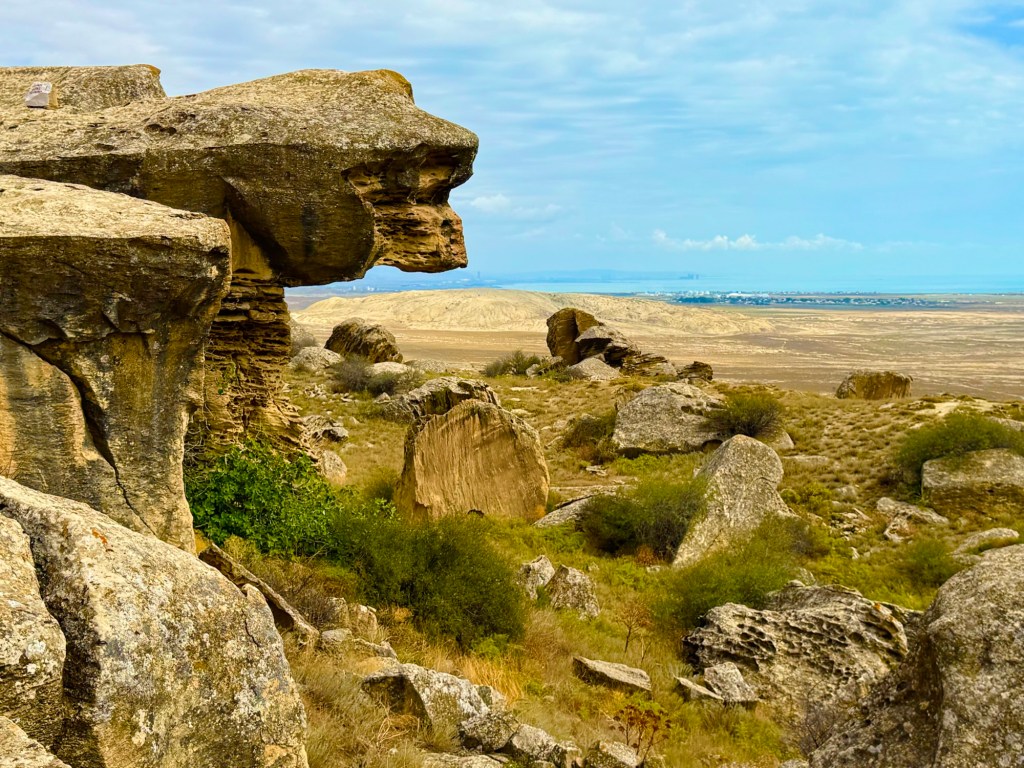
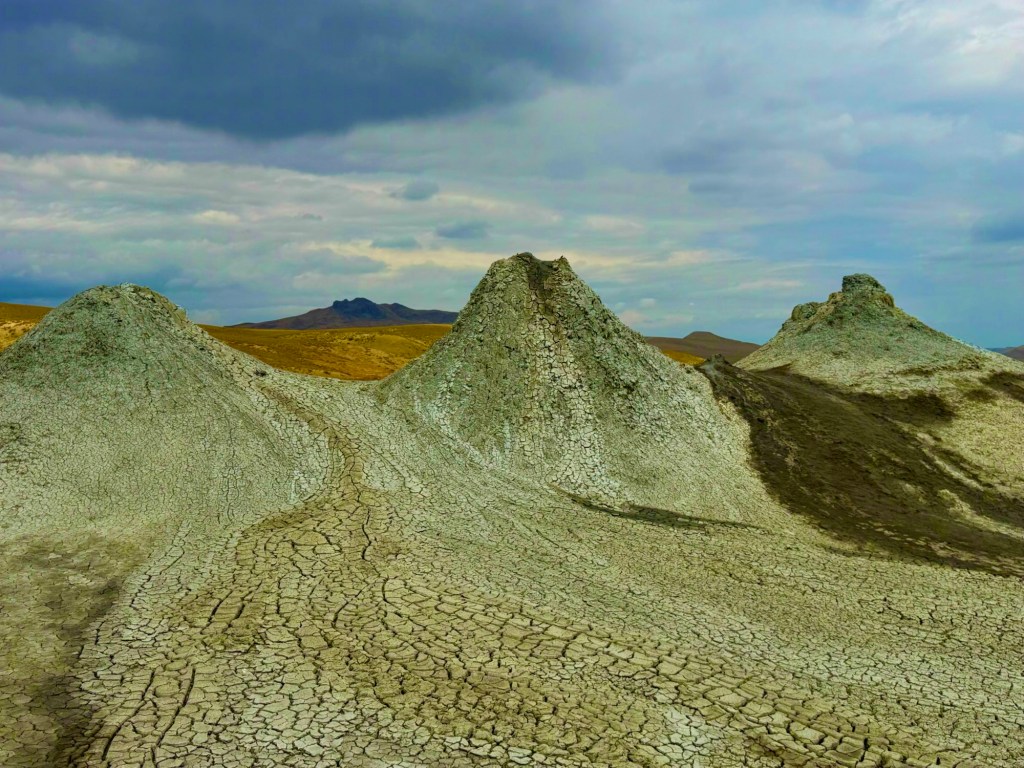
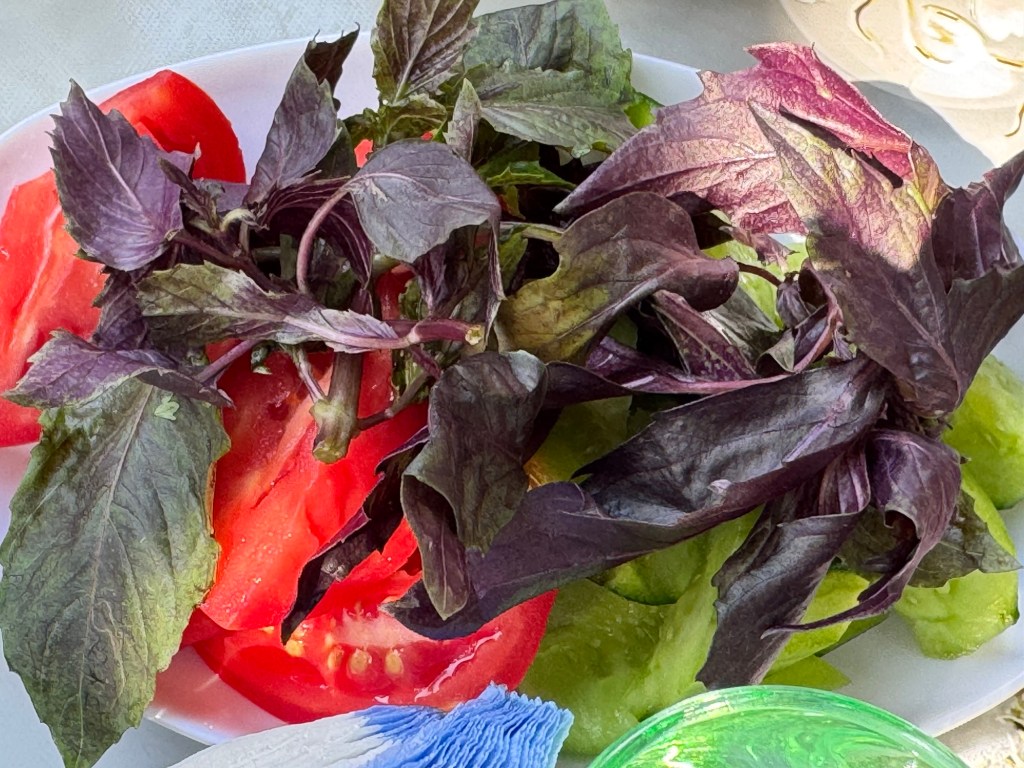
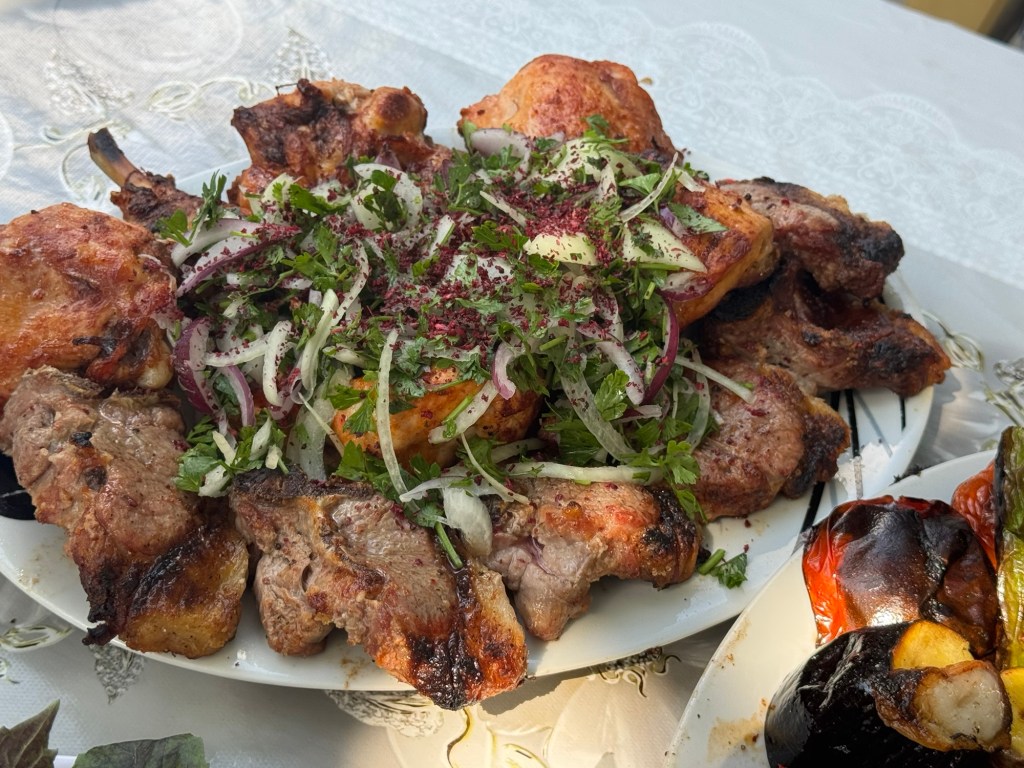
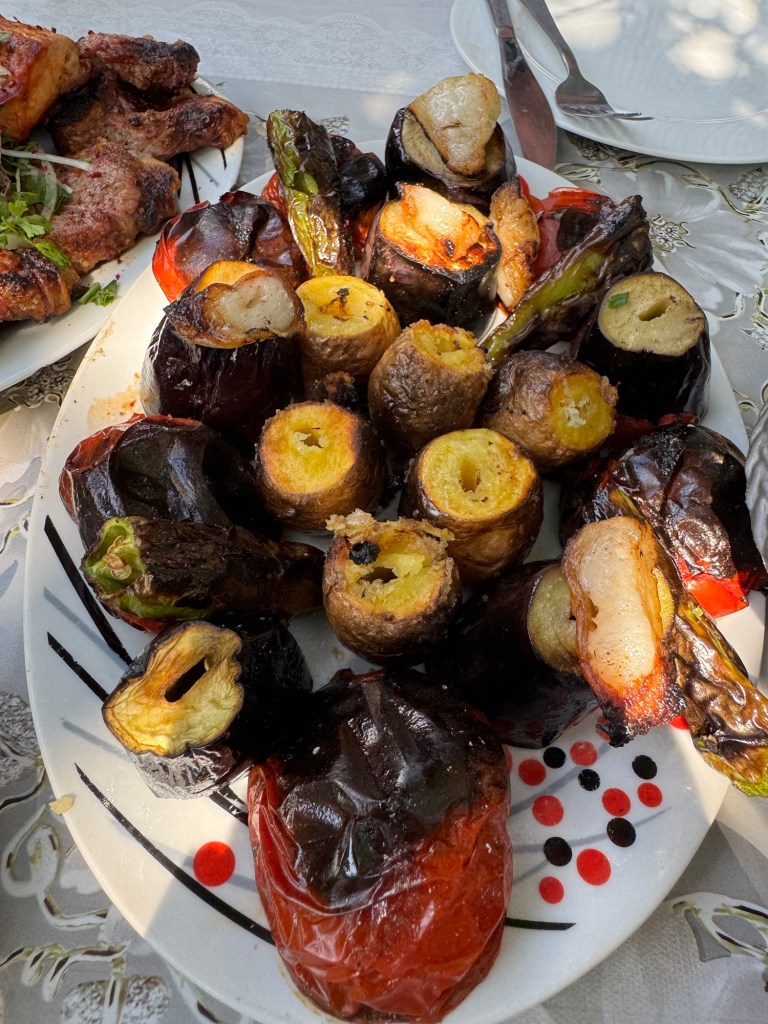
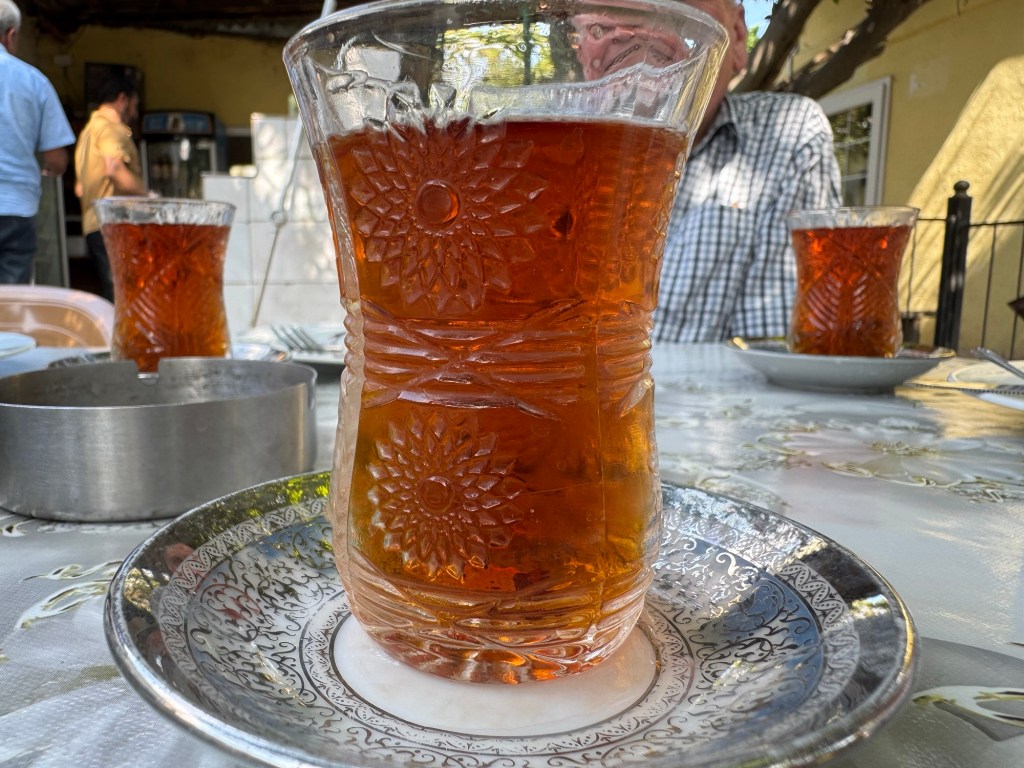
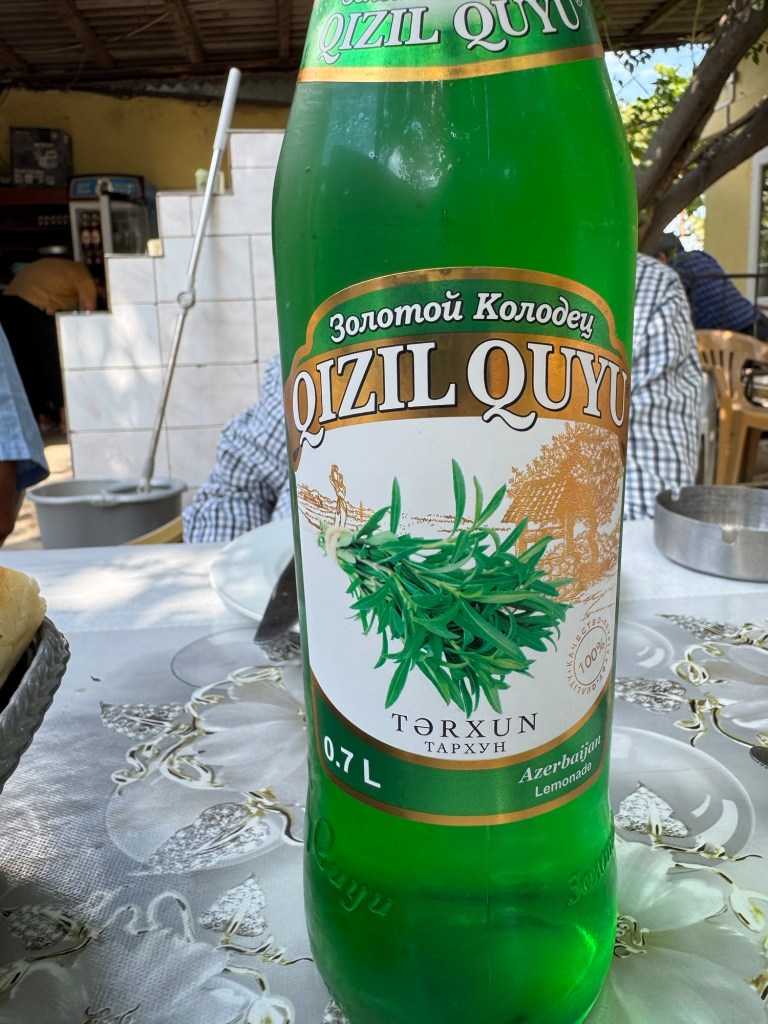
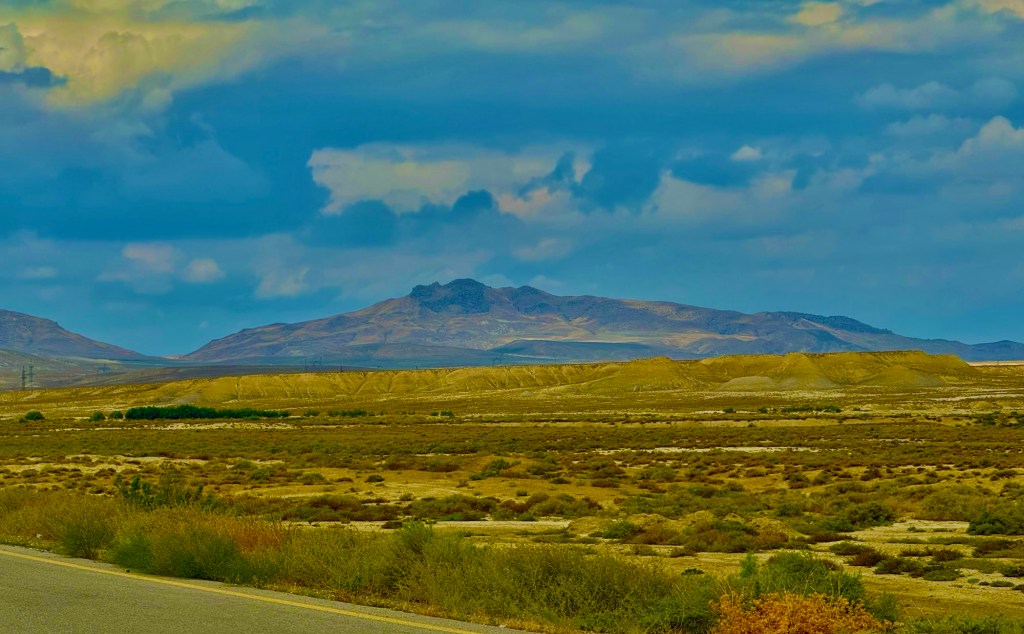
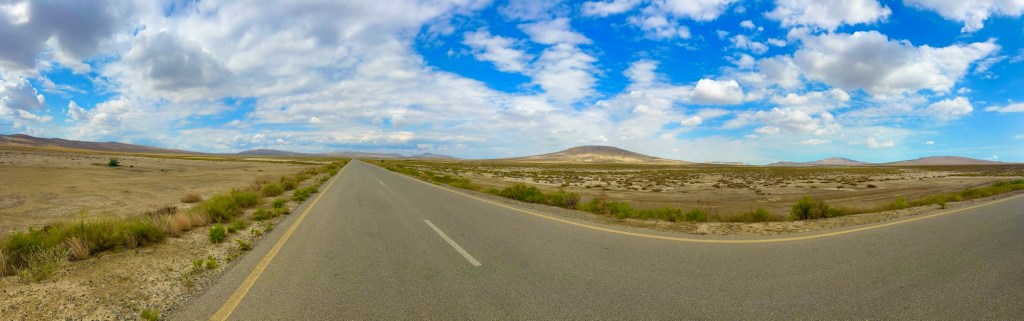
Life was clearly abundant 35,000 years ago. Since then, the ocean has risen and receded many times, but the area surrounding the petroglyphs is quite dry and arid. From this hillside, you can see the Caspian see very well, it is receding quite quickly at the moment, due to many things, climate change, oil exploration (apparently the drilling is causing water to go lower into the earth?) and high intensive farming within the rainfall catchment zones. We stopped in a small village on our way home to Baku for lunch and had Caspian Sea trout and perch, along with veggies. We are finding that we are getting over fed (significantly), and to say “no” to food can be insulting. So we help them out by over eating!
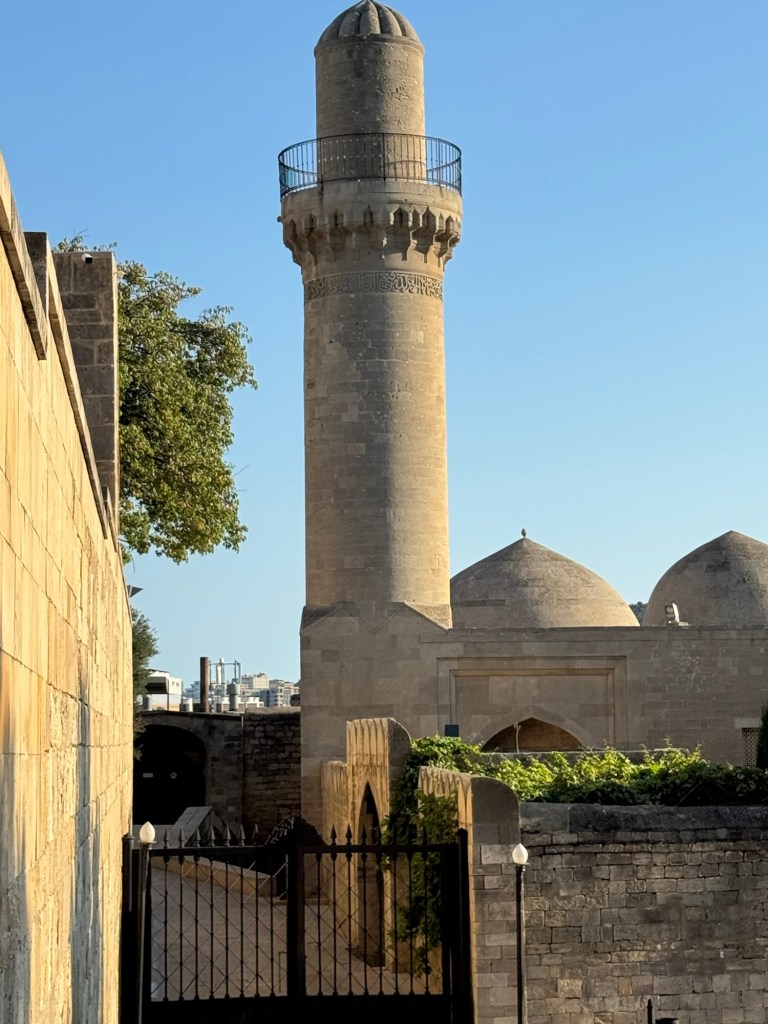
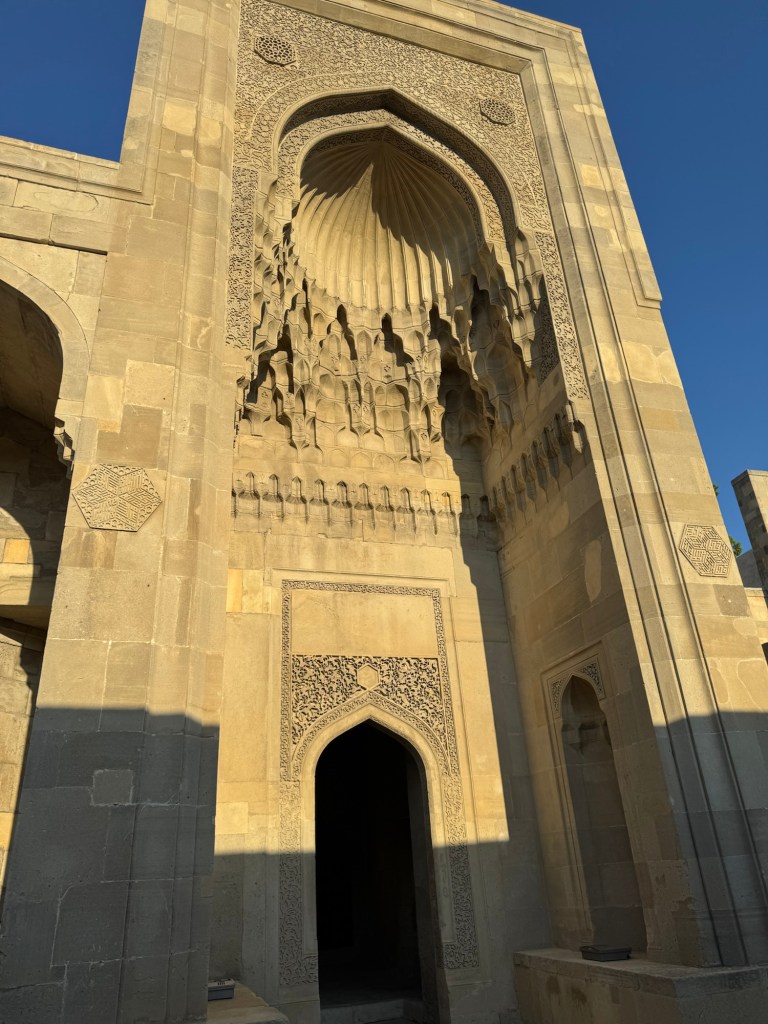
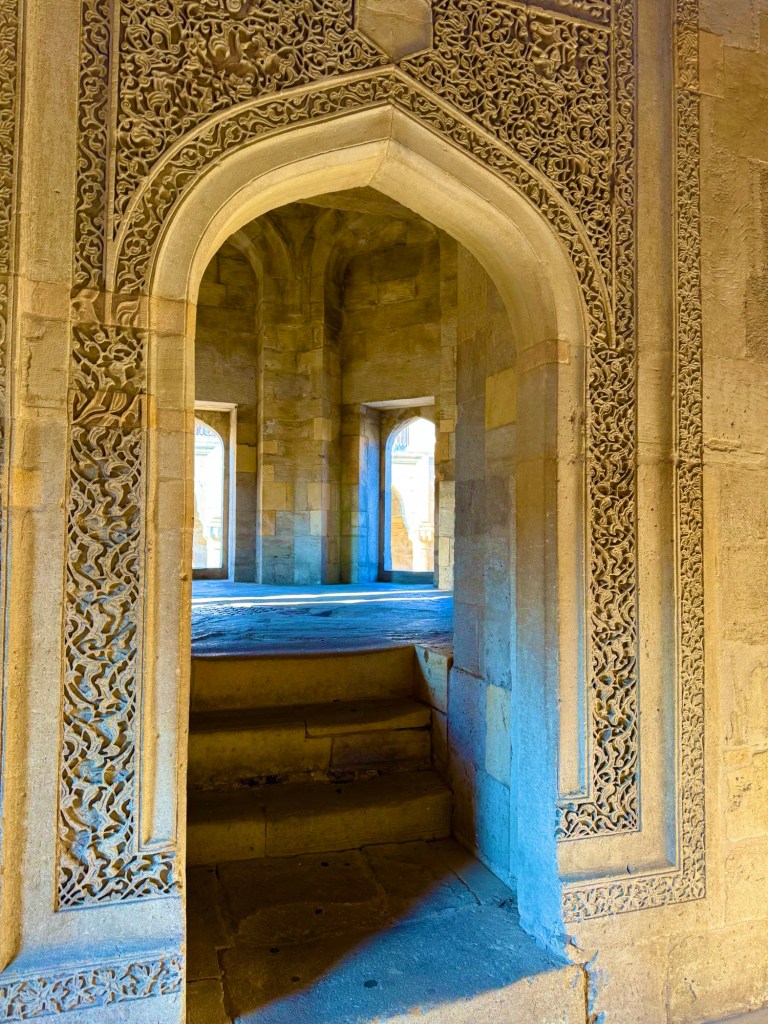
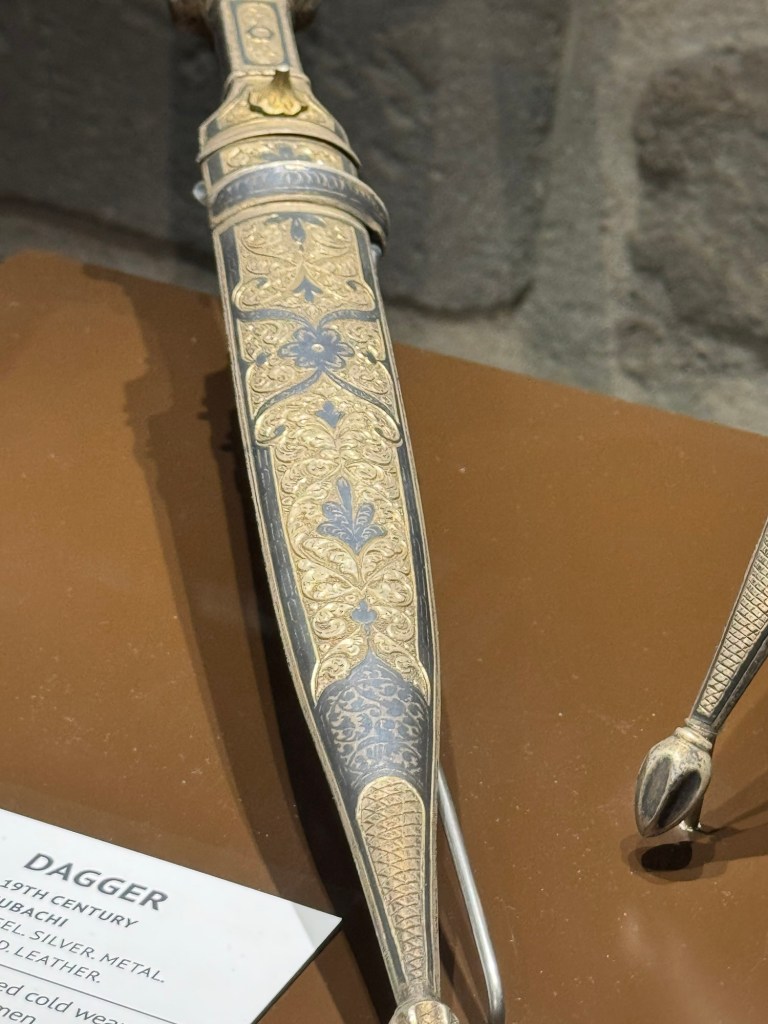
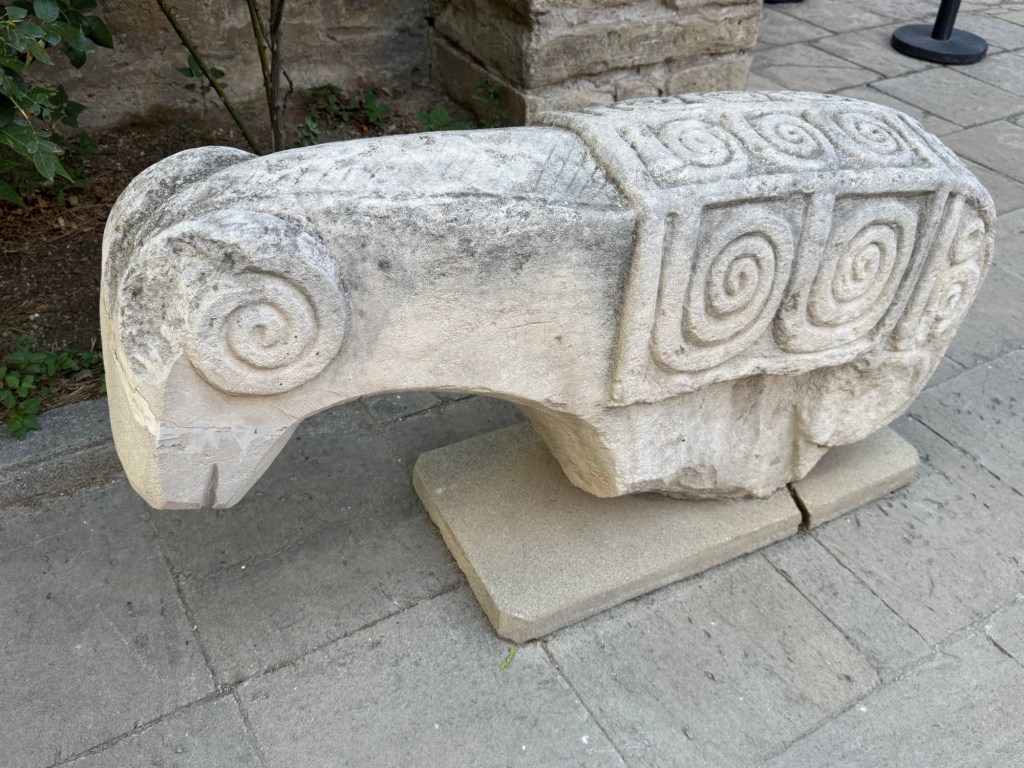
We moved from the Gobustan petroglyphs to the Shirvanshah’s Palace in Baku. The Shirvanshah’s were a medieval Islamic dynasty that ruled Shirvan, a historical region in present-day Azerbaijan, from the mid-9th century to the 16th century.
Tomorrow we head off from Baku and venture deeper into Azerbaijan, where I am sure much more food will be consumed, and even more will be offered!

