Prior to arriving in Kanazawa, I had googled the distances to all of the main tourist sites and had calculated that I could walk most places, or borrow a bike from the Ryokan and ride most places. What I hadn’t put a lot of thought into was winter! Which is rather ironic when you consider that I have come to Japan specifically to ski!
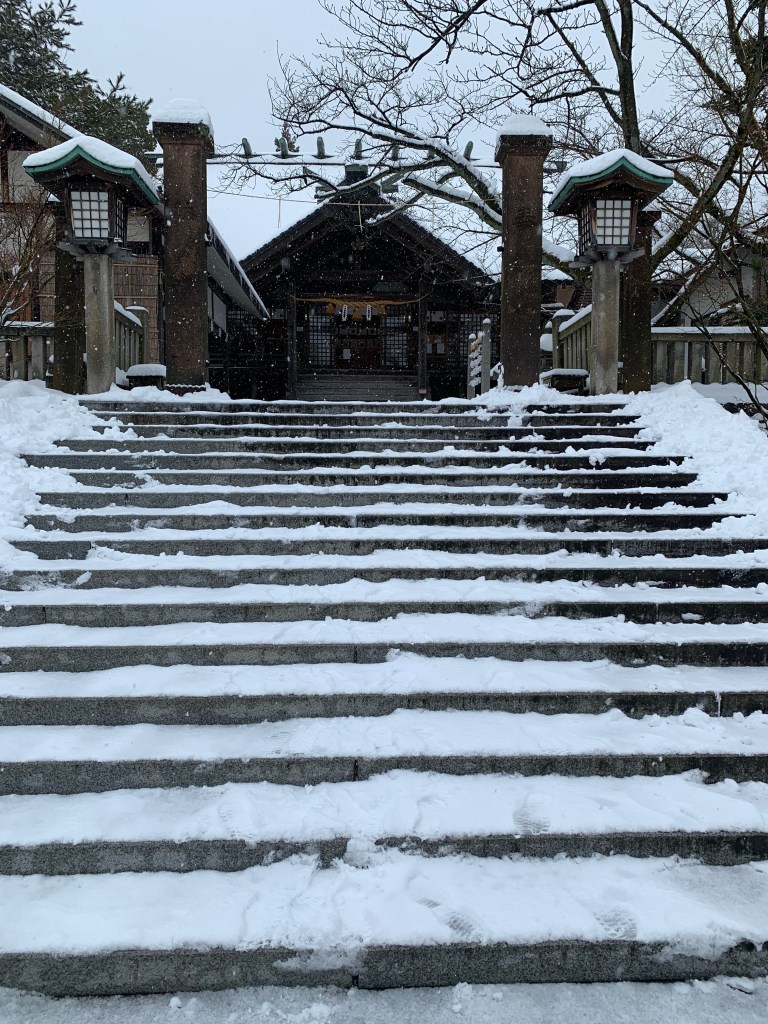
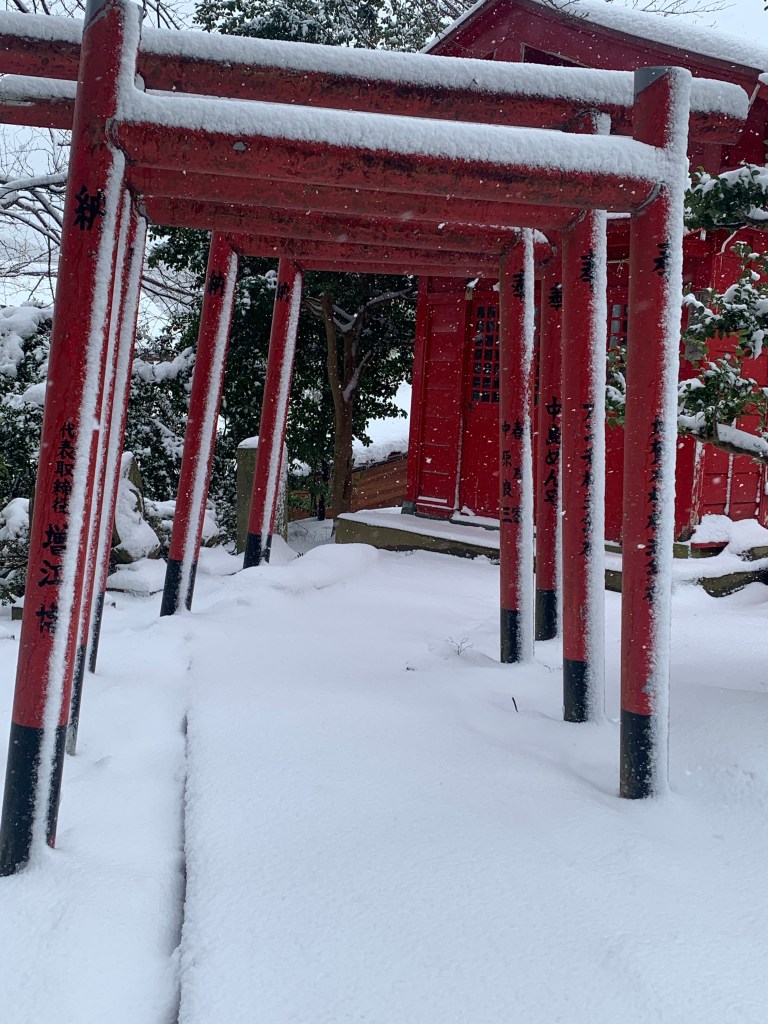
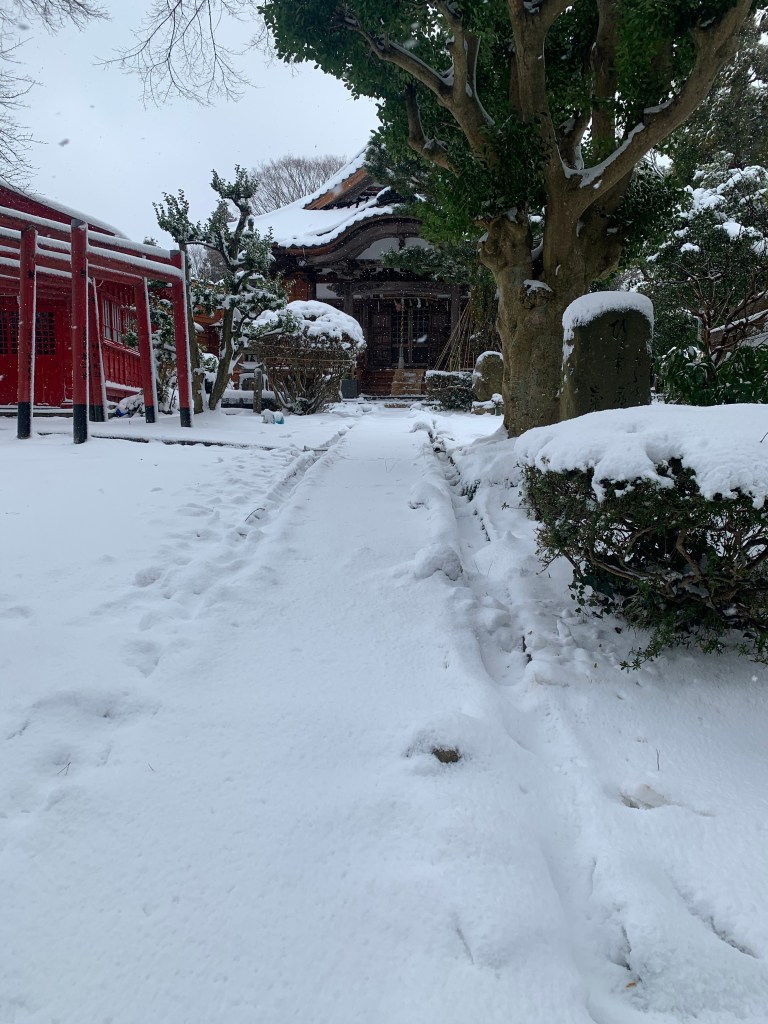
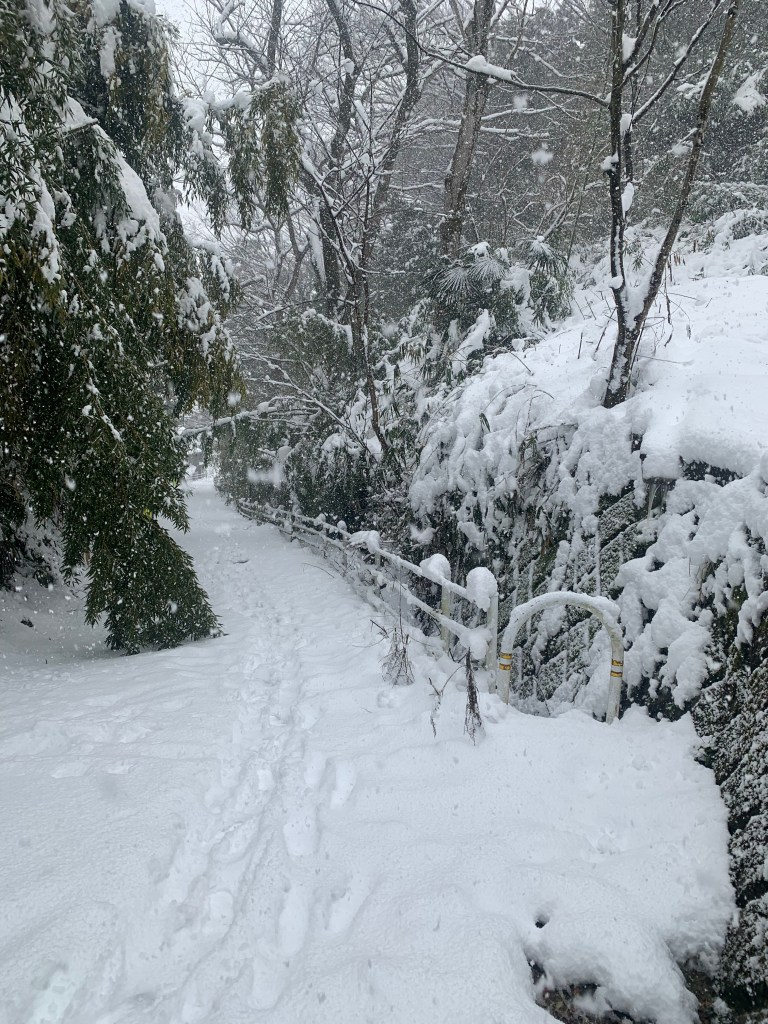
There was no point in starting my trek around Kanazawa too early, most places don’t open until 9:30 to 10:30am. I aimed for the furtherest district to get to first. It was at about this time that it really started to bucket down with snow! Stubborn as ever, I regretted my decision but decided to press on. I wandered through the Higashi Chaya District, an area for old tea houses, geisha’s and arts and crafts. There were no geisha out in the snow when I came through (and who would know if there ever is any in these areas??!). It was, however a privilege to see the area relatively free of people and crowds, I can’t imagine Kyoto being like this! This was in part due to the early hour that I was walking through the Tea Houses and also, due to the snow. I found a sign pointing up hill to a shrine and thought “why not, I’ve got nothing else to do!” Half way up, I wondered where all of the muscles and fitness I must have gained skiing had gone….! It didn’t feel like I’d been vigorously exercising the prior week. The top of the hill was shrouded in a snowy bamboo forest and drifts of snow piled up against monuments. No sensible person had been up there thus far. It was windy, the view was sleety, but I appreciated the serenity and lack of people.
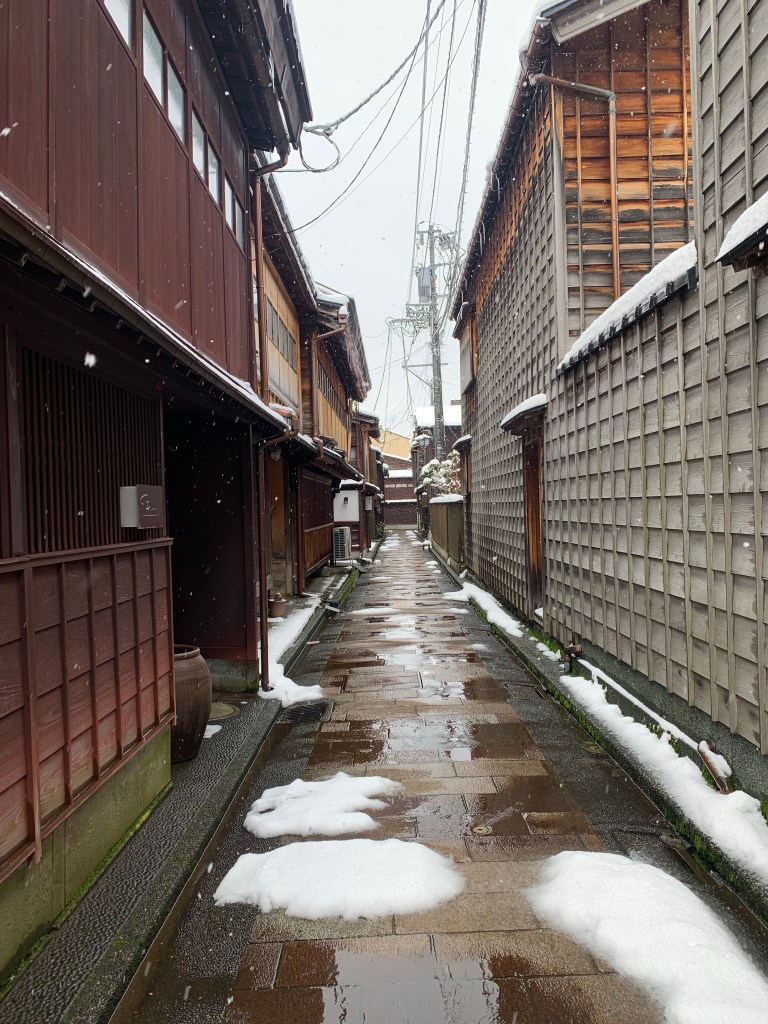
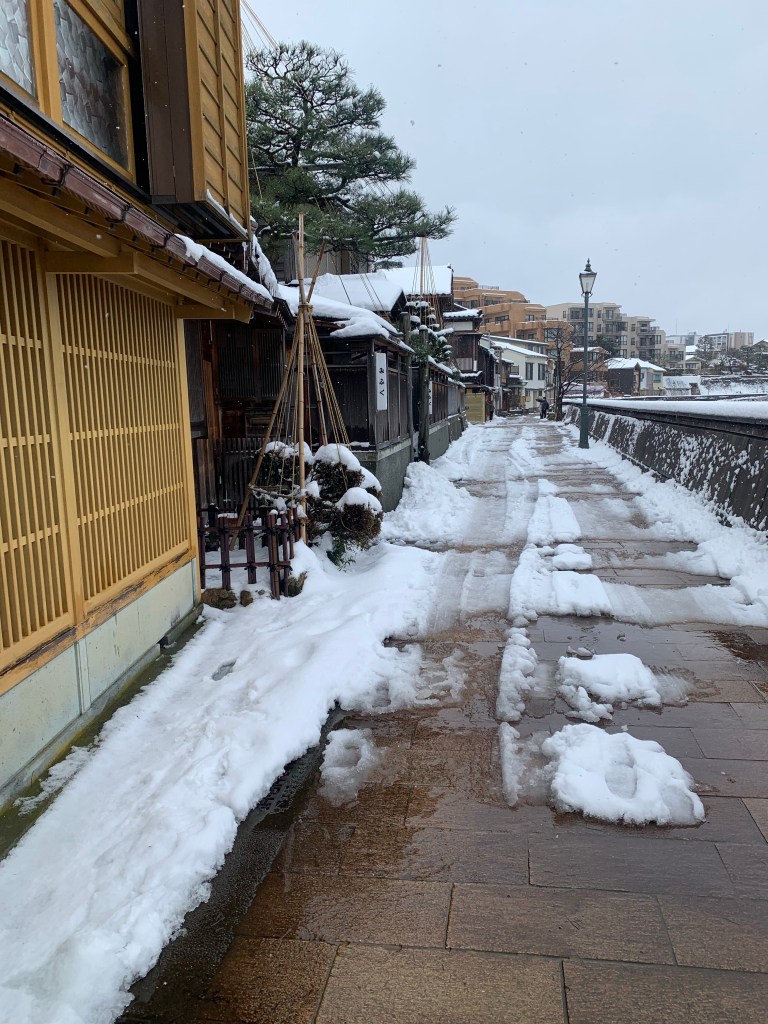
It did not stop snowing all day, so I headed back towards town, visiting another Tea House area called the Kazue-machi Chaya District. The architecture is ornate and detailed and really harks back to a time hundreds of years ago. This Chaya district was situated right on the banks of the Asanogawa River and it didn’t take much imagination to conjure up what it might have looked like a few centuries ago.
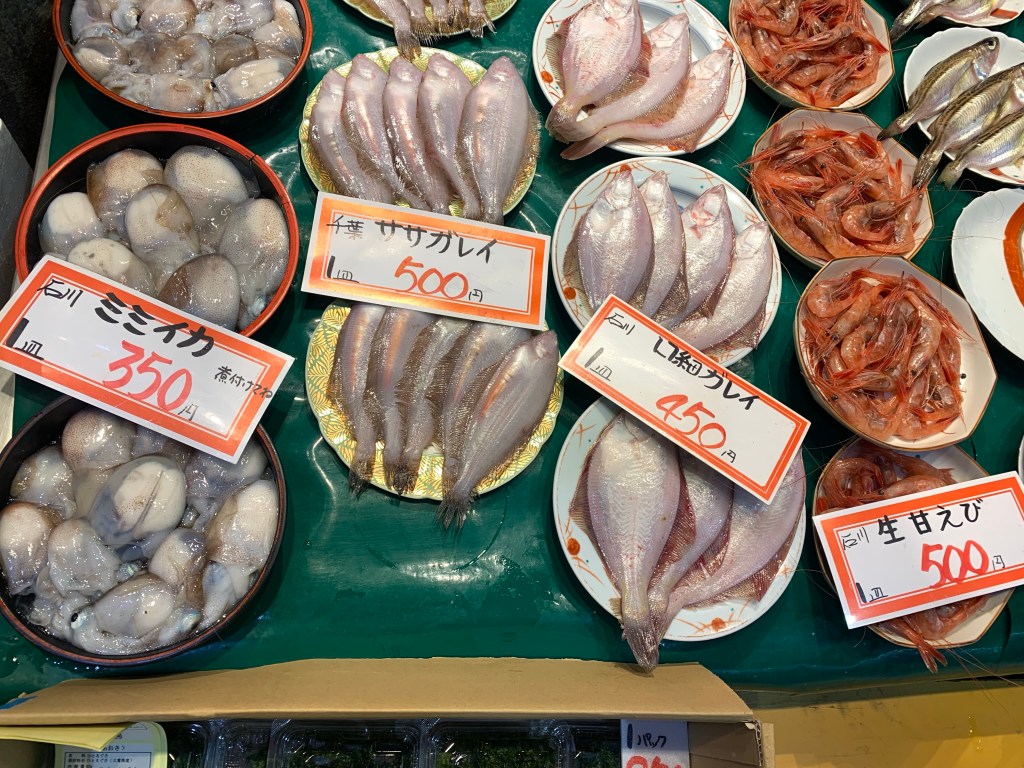
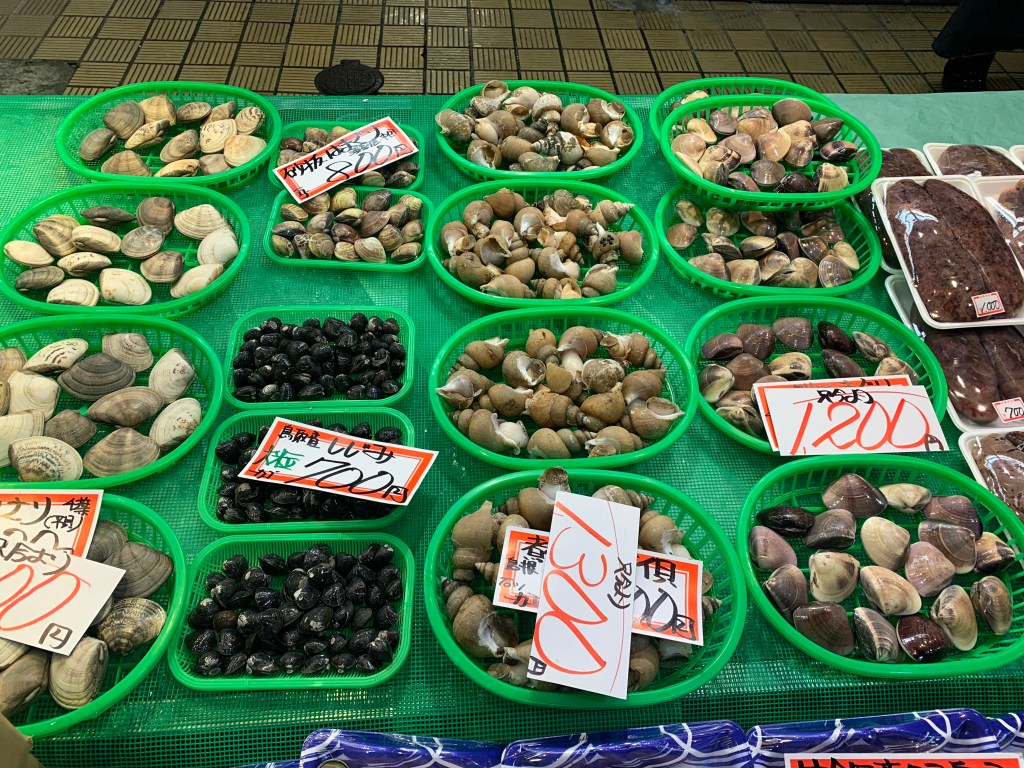
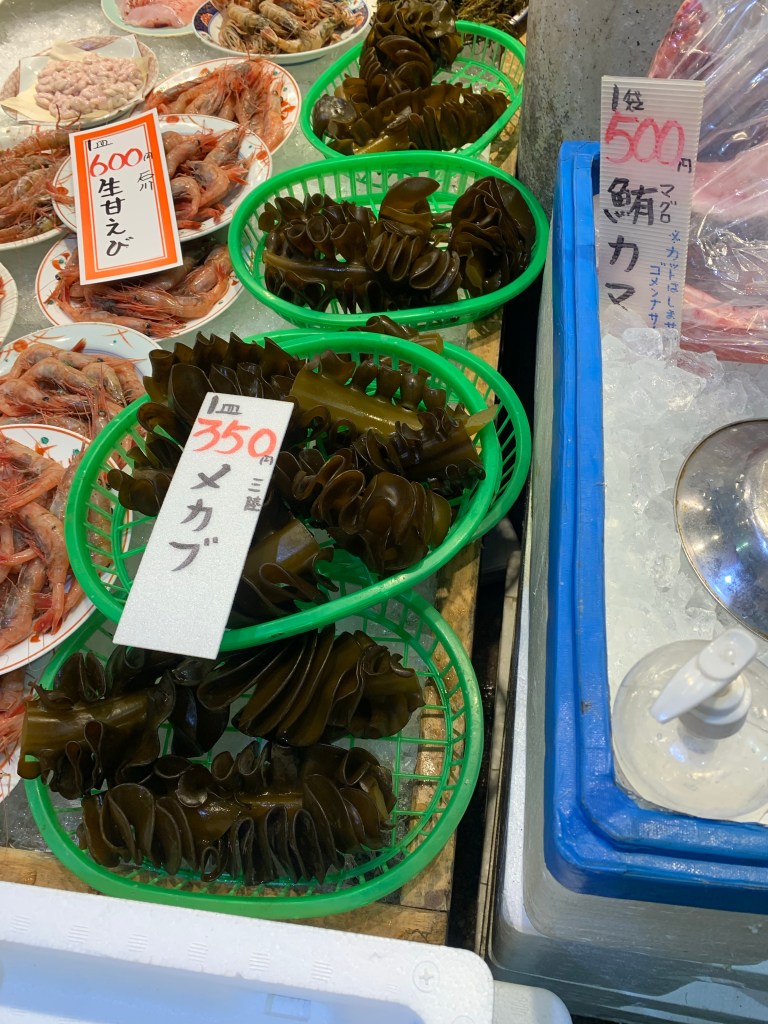
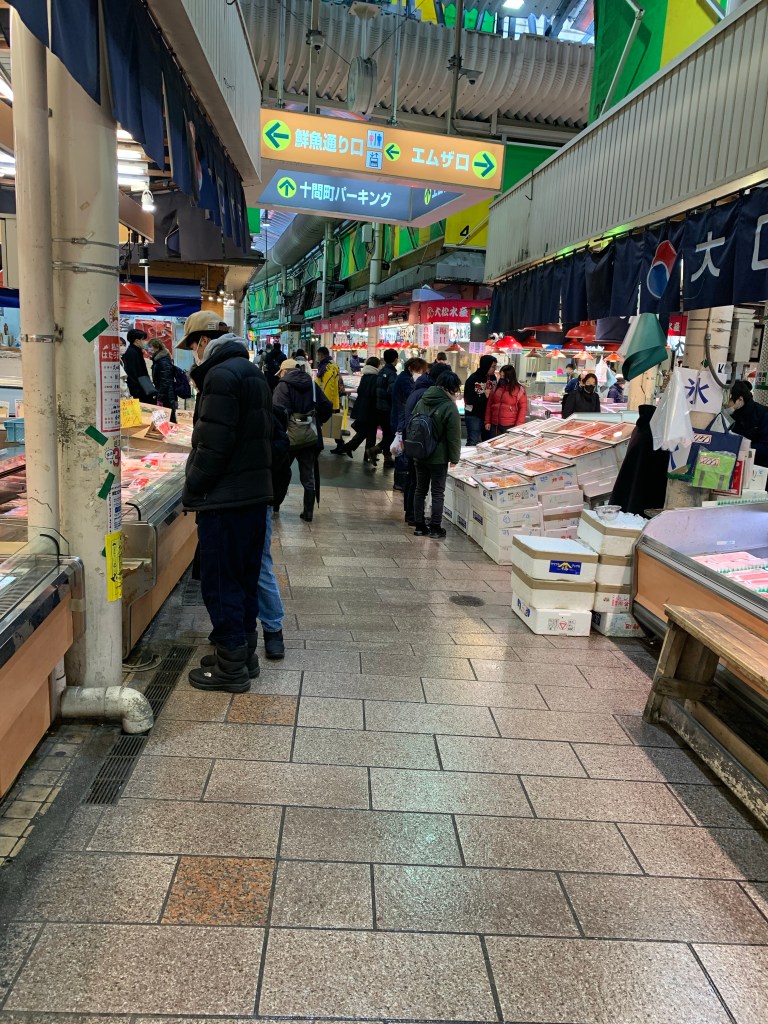
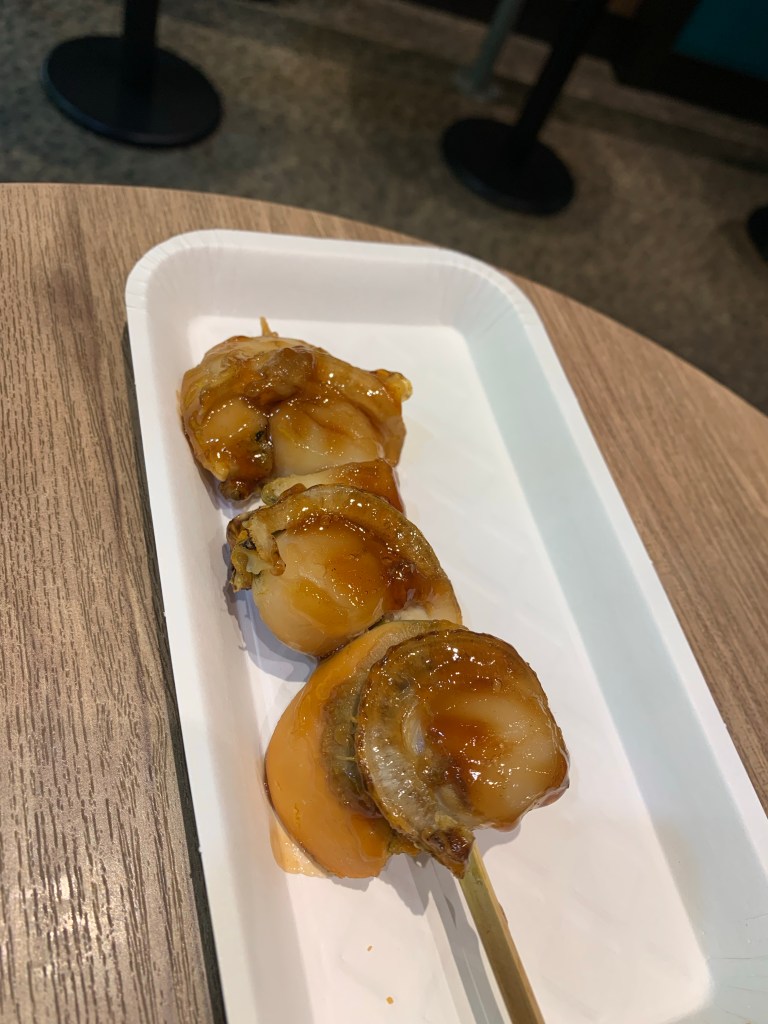
It was nearly lunchtime, so I headed through to the Omi-cho fish markets. It’s already so cold in this market, that the fish mongers just leave their ice out overnight for the market the next day. So to see sea urchins, giant snow crabs, various cockles and molluscs and fish out in the open didn’t conjure up the sights and smells you might get anywhere else in the world. Firstly there was no smell, just loads of lovely fresh looking fish. Many mongers sold sashimi cuts of just about every fish they had, for passers by. By this stage I had been out walking in snow drifts for 3 or so hours, so I opted for grilled scallops, as I needed something slightly warming!
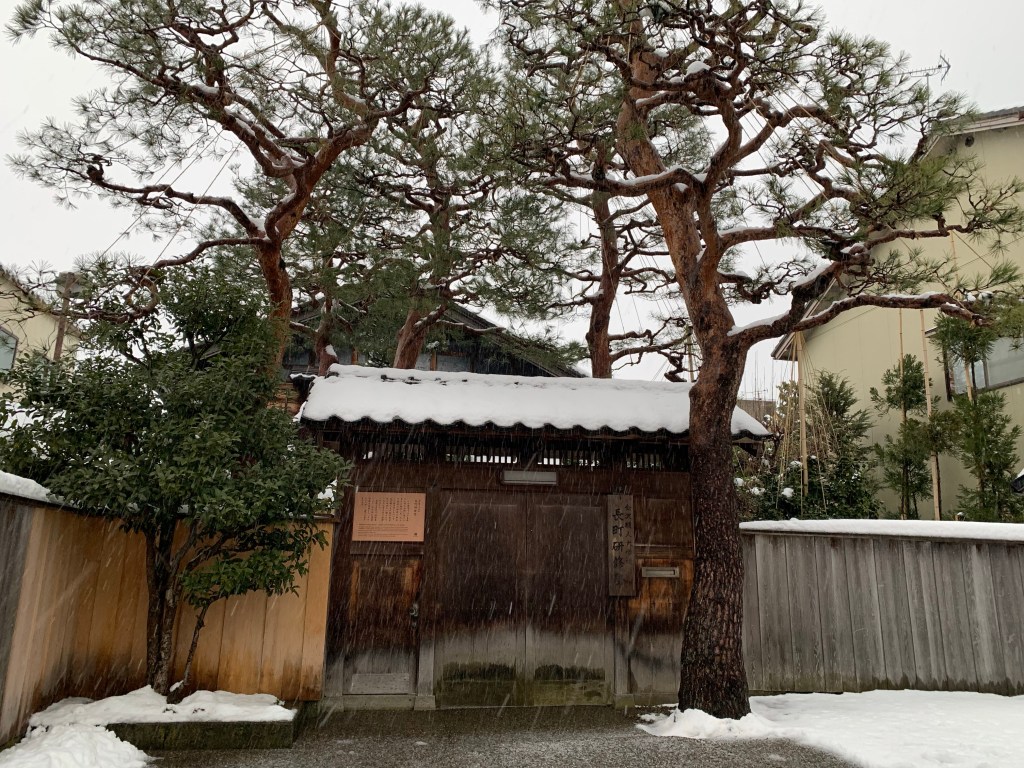
Next I walked through to the Naga-macho Buke Yashiki District, the samurai district. This area had another feel about it again, and totally different buildings. The Samurai were abolished around 1870 and their training houses and clan houses began to be knocked down or made for other uses. I visited an old samurai family house, which really highlighted to me, how cold those old houses were! I do not understand how they made it through winter.
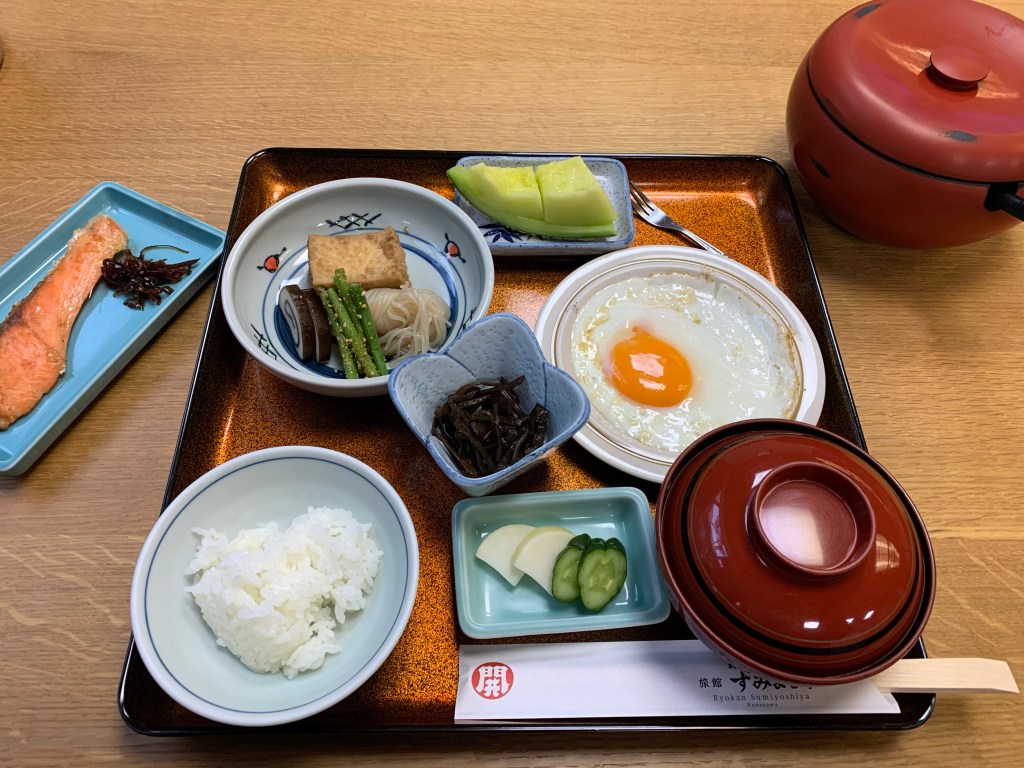
After two days of trekking through the snow to visit sites, I was ready for another hot onsen, and fortunately my Ryokan had its own. Sigh, still the best way to end a day!
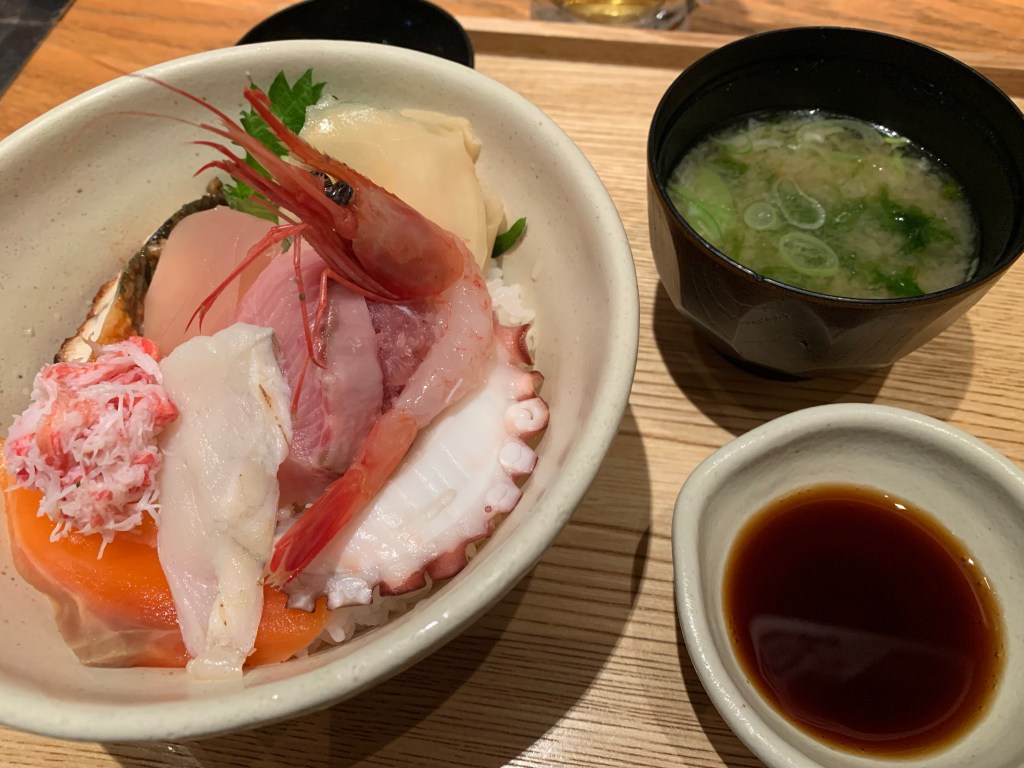
Dinner: Seafood rice bowl & 1 small (this time!) beer 1550 yen $16.80
Temperature: 0 degrees Celcius
Snow depth: 20cm (I promised no snow updates, but then it literally dumped all day!!)




 Work Travel Save Repeat